$87.99
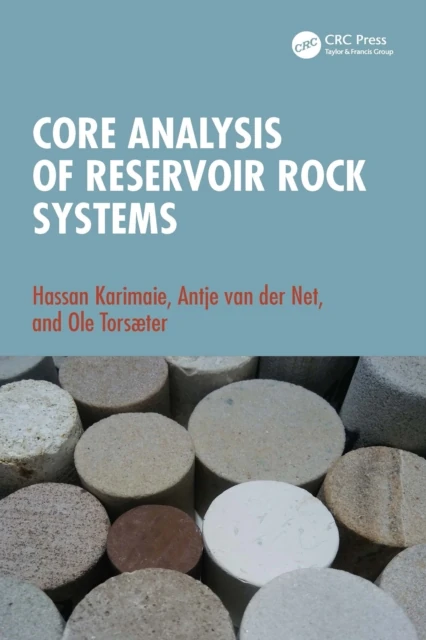
Core Analysis of Reservoir Rock Systems

Core analysis
Core analysis is an essential source of quantitative data on reservoir properties. These data are used for modeling the distribution and flow of oil and gas reservoirs, CO2 and hydrogen storage, and flow behavior in geothermal reservoirs.
Scope and purpose
While several books cover core analysis for practitioners, this book fills a gap through introducing laboratory equipment and procedures used in core analysis and the theoretical aspects of the parameters. It offers detailed instructions on experimental execution for those with limited or no experience including risk analysis for high safety.
Focus areas
Emphasizes the basic characterization of porous materials for multiphase flow, specifically consolidated natural materials. Features methods commonly used in the special core analysis within the oil and gas industry, extending to the emerging field of gas storage with occasional references to research-oriented equipment.
Laboratory exercises and data analysis
Offers detailed descriptions of laboratory exercises and instructions on data analysis suitable for student work. Includes solutions to some exercises to demonstrate the application of measured parameters in reservoir evaluation.
Unique features
Provides a unique combination of brief discussions on the basic theory of parameters, explanations of experimental principles, detailed experimental procedures according laboratory standards, and data analysis, with multiple laboratory-related example problems.
Intended audience
This concise and practical workbook is written for everyone interested in practical measurements of parameters needed for analysis of fluid flow in porous media, specifically students, or for starting staff in the laboratory, preferably with a background in geosciences or fluid mechanics or related topics.