$53.99
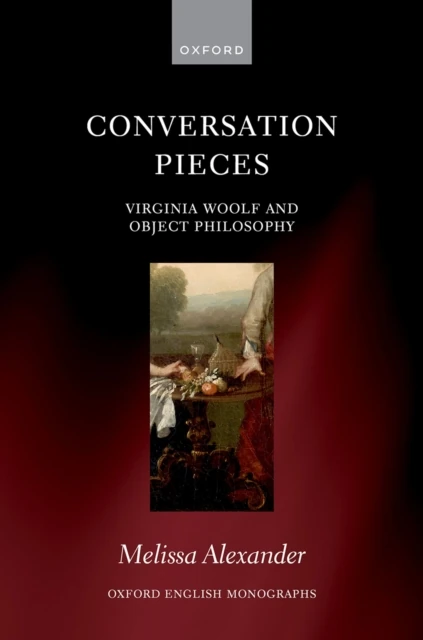
Conversation Pieces
Virginia Woolf and Object Philosophy

Conversation Pieces sketches an object-oriented lineage for modernism, showing that Virginia Woolf''s passion for objects was fuelled by her participation in a widespread conversation about philosophical empiricism''s affective and aesthetic legacies--one involving a variety of eighteenth, nineteenth, and twentieth-century thinkers, such as David Hume, Leslie Stephen, Walter Pater, Vernon Lee, Henri Bergson, William James, G.E. Moore, and Bertrand Russell. While empiricism has been largely neglected by literary scholars, its view of objects powerfully shaped modernist sensibilities and aesthetics. Woolf''s and other early-twentieth-century writers and philosophers'' multifaceted responses to the evolving character of empiricist philosophy reveal that empiricism continued into the twentieth century as one of the most ubiquitous and vigorous elements energizing modern thought. However, modernism was also defined by an important departure from empiricism. While traditional empiricism had suggested that experience is profoundly circumscribed because we can only know our own sense impressions, many sought to radicalize empiricism by making the preliminary acceptance of mind-independent objects the necessary foundation for intersubjectivity and the acknowledgement of otherness. Woolf describes the scene of shared attention to an object as an exemplary starting point for engaging with the complexities, contradictions, and tensions of living in a more-than-human world. As writers continually turned to the object for its promise of a conversable world, the conversation piece came to encapsulate modern aspirations for relationality.