$57.99
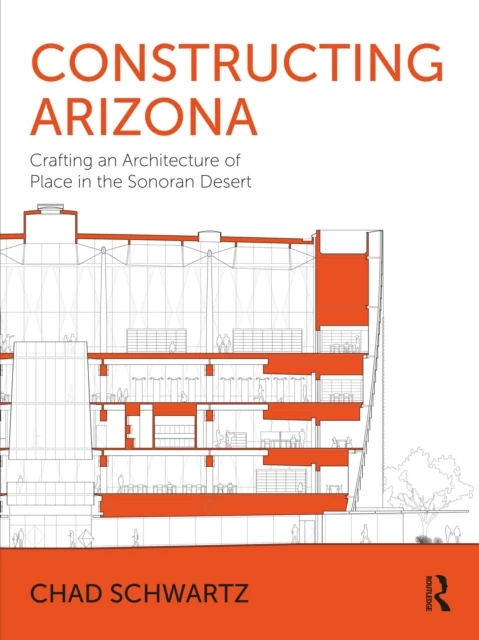
Constructing Arizona
Embracing an Architecture of Place in the Sonoran Desert

Constructing Arizona
Constructing Arizona is the first book to comprehensively present the architecture of the Sonoran Desert region of Arizona, balancing a breadth of projects with a depth of analysis.
Building on over fifty interviews with noted members of the architecture community in Arizona and critical first-hand analysis of their built work, this book reveals the inherent principles, vocabulary, and influences of the regional architecture while also tying its contemporary makeup to a lineage of constructing in the Sonoran Desert. Schwartz argues that the best work of this region is not united by a stylistic or intellectual construct, but, instead, through the architects’ development of a variety of relationships between architecture and place. As such, the analysis provided is organized into thematic chapters, each focused on understanding these relationships to the primary characteristics of place: light, heat, water, ground, air, flora and fauna, tradition, spirit, construction, and materiality. The lessons provided, however, extend well past this unique region of the globe as the framework can be applied in any context, allowing Constructing Arizona to serve as a valuable reference guide for thinking about the crafting of an architecture of place, especially in places with rapidly expanding urban conditions in arid environments.
Given the current state of our planet, these lessons will be of critical importance to communities across the globe that may have to adapt to living in similar conditions soon.