$22.49
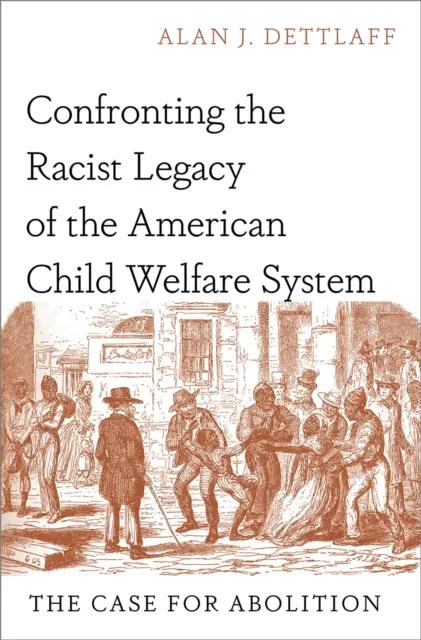
Confronting the Racist Legacy of the American Child Welfare System
The Case for Abolition

Confronting the Racist Legacy of the American Child Welfare System
Alan J. Dettlaff presents a call to abolish the American child welfare system due to the harm and destruction it causes Black families. Dettlaff traces the origins of the modern child welfare system, which emerged following the abolition of slavery, to demonstrate that the harm and oppression that result from child welfare intervention are not the result of "unintended consequences" but rather are the clear intents of the system and the foreseeable results of the policies that have been put in place over decades.
By tracing the history of family separations in the United States since the era of slavery, Confronting the Racist Legacy of the American Child Welfare System demonstrates that the intended outcomes of those separations--the subjugation of Black Americans and the maintenance of white supremacy--are the same intended outcomes of the family separations done today. What distinguishes contemporary family separations from those that occurred during slavery is that today's separations occur under a facade of benevolence, a myth that has been perpetuated over decades that family separations are necessary to "save" the most vulnerable children.
Confronting the Racist Legacy of the American Child Welfare System presents evidence of the vast harms that result from family separations to make a case that the child welfare system is beyond reform. Rather, the only solution to ending these harms is complete abolition of this system and a fundamental reimagining of the way society cares for children, families, and communities.