$62.99
Conflict Displacement and Legal Protection
Understanding Asylum, Human Rights and Refugee Law

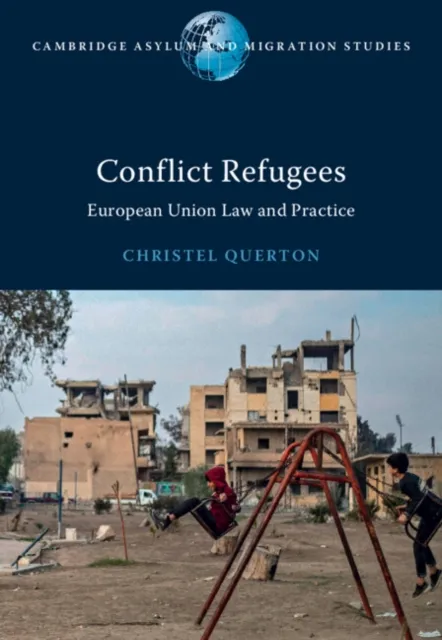
While the 21st century bears witness to several conflicts leading to mass displacement, the conflict in Syria has crystallised the need for a solid legal framework and legal certainty.
This book analyses the relevant legal instruments for the provision of a protection status for persons fleeing to Europe from conflict and violence. It focuses on the conceptualisation of conflict and violence in the countries of origin and the different approaches taken in the interpretation of them in the 1951 Refugee Convention, the Recast Qualification Directive of the European Union and the European Convention on Human Rights. It traces the hierarchical order of protection granted, starting with refugee protection status, to subsidiary protection status and finally with the negative protection from non-refoulement. Recent case law and asylum status determination practices of European countries illustrate the obstacles in the interpretation as well as the divergence in the application of the legal instruments.
The book fills an important gap in examining the current practices of key actors, including the United Nations High Commissioner for Refugees and European states, tracing changes in national and international policies and revealing discrepancies towards contemporary approaches to conflicts. It refines the interaction and cross-fertilisation of the different relevant fields of European asylum law, human rights law and the laws of armed conflict in order to further the development of a harmonised protection regime for conflict-induced displacement.