$10.39
$18.49
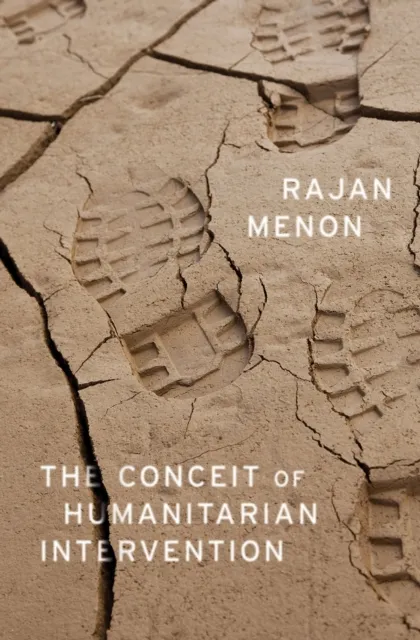
Conceit of Humanitarian Intervention

With the end of the Cold War has come an upsurge in humanitarian interventions-military campaigns aimed at ending mass atrocities. These wars of rescue, waged in the name of ostensibly universal norms of human rights and legal principles, rest on the premise that a genuine "international community" has begun to emerge and has reached consensus on a procedure for eradicating mass killings.
Rajan Menon argues that, in fact, humanitarian intervention remains deeply divisive as a concept and as a policy, and is flawed besides. The advocates of humanitarian intervention have produced a mountain of writings to support their claim that human rights precepts now exert an unprecedented influence on states'' foreign policies and that we can therefore anticipate a comprehensive solution to mass atrocities.
In The Conceit of Humanitarian Intervention, Menon shows that this belief, while noble, is naïve. States continue to act principally based on what they regard at any given time as their national interests. Delivering strangers from oppression ranks low on their list of priorities. Indeed, even democratic states routinely embrace governments that trample the human rights values on which the humanitarian intervention enterprise rests.
States'' ethical commitment to waging war to end atrocities remains episodic and erratic-more rhetorical than real. And when these missions are undertaken, the strategies and means used invariably produce perverse, even dangerous results. This, in no small measure, stems from the hubris of leaders-and the acolytes of humanitarian intervention-who have come to believe that they possesses the wisdom and wherewithal to bestow freedom and stability upon societies about which they know little.