$58.99
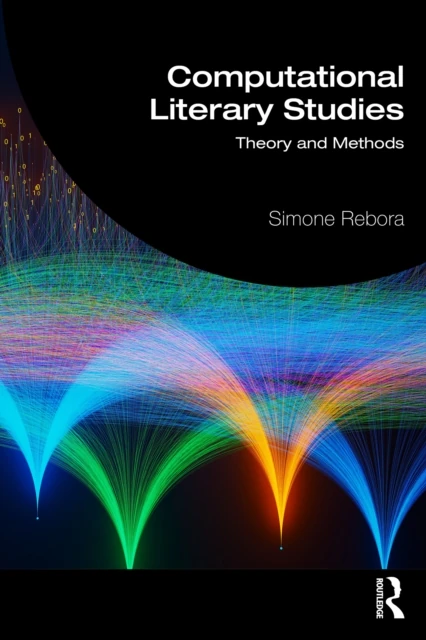
Computational Literary Studies
Theory and Methods

Introduction
The accessible guide provides a detailed overview of the emerging field of computational literary studies from the perspective of literary theory.
From the earliest quantitative approaches to the most recent challenges of generative artificial intelligence, the book examines a diverse selection of computational methods by asking how they can tackle a set of fundamental questions in literary studies.
Computational Methods in Literary Studies
After investigating the ways in which literary historiography can benefit from the most basic approaches in quantitative text analysis, Simone Rebora explores three established computational methods (stylometry, sentiment analysis, and topic modeling) from the perspective of three compatible research fields (stylistics, affect studies, and thematic criticism), showing their innovative contributions to the theoretical debate.
In a similar way, spatial literary studies and character studies are connected to the visualization techniques of mapping and network analysis, while intertextuality and literary hermeneutics bring the investigation to a close by engaging with the most advanced methods, including vector semantics and machine learning.
Through analogies and comparisons each approach is thoroughly dissected to understand its potential and limitations.
Conclusion
Computational Literary Studies: Theory and Methods shows how the encounter between literary theory and computational methods can prove one of the most fruitful grounds for the future development of literary studies.
This book is an essential resource for understanding this dynamic field, making it invaluable not only for students and scholars of literary studies and literary theory, but also for those working across the humanities.