$59.99
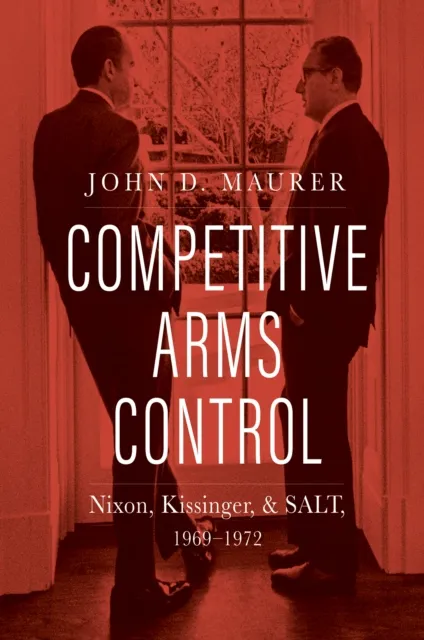
Competitive Arms Control
Nixon, Kissinger, and SALT, 1969-1972

The essential history of the Strategic Arms Limitation Talks (SALT) during the Nixon Administration
How did Richard Nixon, a president so determined to compete for strategic nuclear advantage over the Soviet Union, become one of the most successful arms controllers of the Cold War? Drawing on newly opened Cold War archives, John D. Maurer argues that a central purpose of arms control talks for American leaders was to channel nuclear competition toward areas of American advantage and not just international cooperation. While previous accounts of the Strategic Arms Limitation Talks (SALT) have emphasized American cooperative motives, Maurer highlights how Nixon, National Security Advisor Henry Kissinger, and Secretary of Defense Melvin Laird shaped negotiations, balancing their own competitive interests with proponents of cooperation while still providing a coherent rationale to Congress. Within the arms control agreements, American leaders intended to continue deploying new weapons, and the arms control restrictions, as negotiated, allowed the United States to sustain its global power, contain communism, and ultimately prevail in the Cold War.