$39.99
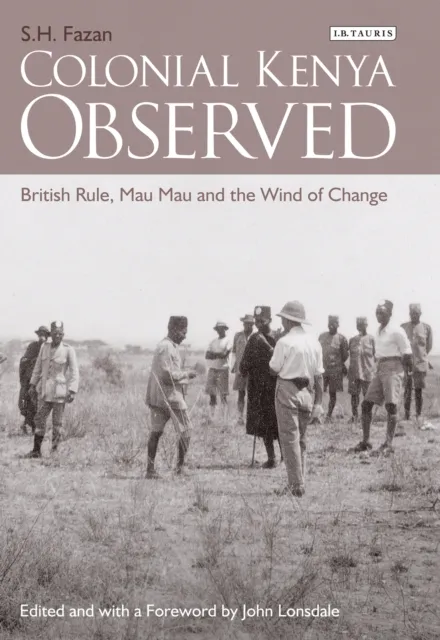
Colonial Kenya Observed
British Rule, Mau Mau and the Wind of Change

Historical Significance of the East African Coast
The coast of East Africa was considered a strategically invaluable region for the establishment of trading ports, both for Arab and Persian merchants, long prior to invasion and conquest by Europeans. In the initial stages of the scramble for Africa in the 18th century, control of the area was an aspiration for every colonial nation in Europe - but it was not until 1895 that it was finally dominated by a sole power and proclaimed The Protectorate of British East Africa.
Early 20th Century Developments
In the early 20th century, the coast was brimming with vitality as immigrants, colonisers and missionaries from Arabia, India and Europe poured in to take advantage of growing commercial opportunities - including the prospect of enslaving millions of native Africans. The development of Kenya is an exceptional tale within the history of British rule - in perhaps no other colony did nationalistic feeling evolve in conditions of such extensive social and political change.
S.H. Fazan and His Work
In 1911, S.H. Fazan sailed to what later became the Republic of Kenya to work for the colonial government. Immersing himself in knowledge of traditional language and law, he recorded the vast changes to local culture that he encountered after decades of working with both the British administration and the Kenyan people. This work charts the sweeping tide of social change that occurred through his career with the clarity and insight that comes with a total intimacy of a country.
His memoirs examine the fascinating complexity of interaction between the colonial and native courts, commercial land reform and the revolutionised dynamic of labour relations. By further unearthing the political tensions that climaxed with the Mau Mau Revolt of 1952-1960, this invaluable work on the European colonial period paints a comprehensive and revealing firsthand account for anyone with an interest in British and African history. Fazan's story provides a quite unparalleled view of colonial Africa and the conduct of Empire across half a century.