$82.99
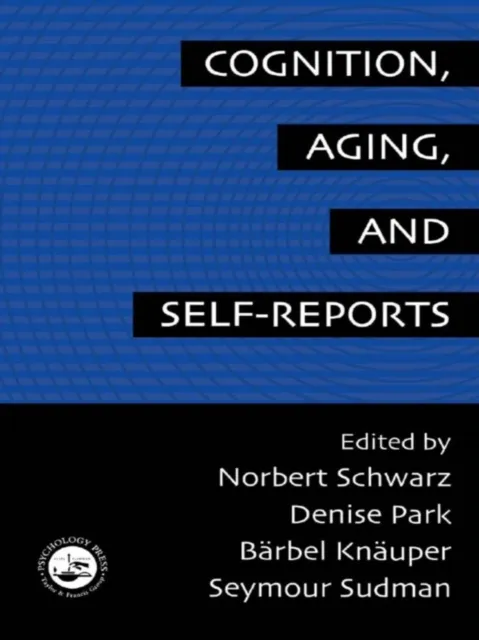
Cognition, Aging and Self-Reports

First Published in 1998
This book provides a state-of-the-art overview of age-related changes in cognitive functioning and explores the implications of these changes for the self-report of attitudes and behaviors. The contributors are leading researchers in cognitive aging and survey methodology, and chapters are written to be accessible to non-specialists.
The first part of the book provides an authoritative review of the current state of cognitive aging research, covering topics such as working memory, inhibition, autobiographical memory, metacognition, and attention.
A second section examines the unique issues associated with aging, language comprehension and interpersonal communication, while the final section reviews researcher into age-related differences in survey responding.
Implications of Age-Related Changes
Of particular interest is how age-related changes in cognitive and communicative functioning influence the question-answering process in research situations. Experimental research illustrates that older and younger respondents are differentially affected by question order, question wording and other features of questionnaire design.
As a result, many age-related differences in reported attitudes and behaviors may reflect age-related differences in the response process rather than differences in respondents' actual attitudes or behaviors. Implications for research design and psychological theorizing are addressed, and practical solutions are offered.
As such, the book will be of interest not only to those in the fields of cognitive aging and gerontology, but also to survey methodologists and researchers in public opinion, marketing, and related fields, who rely on respondents' answers to questions in their research.