£210.00
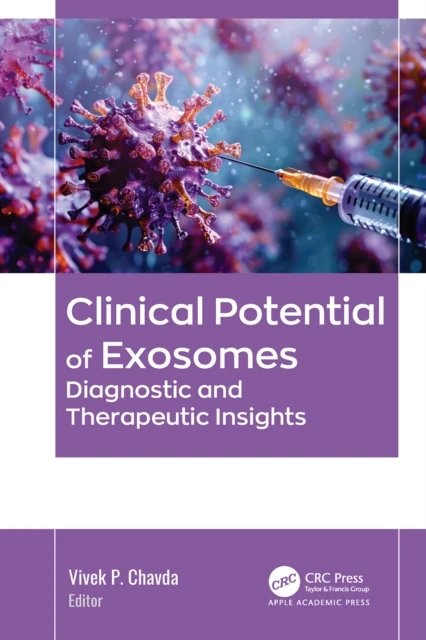
Clinical Potential of Exosomes
Diagnostic and Therapeutic Insights

Introduction to Exosomes
One of the most significant discoveries in the field of immunology and medicine in recent times is the enigmatic realm of exosomes. Exosomes, which range in size from 30 to 150 nm, are specific types of extracellular vesicles that are released by nearly all cells. Over the past decade, there has been a significant increase in the detection and understanding of exosomes and how they can be incorporated into the development of innovative therapeutic applications and their role in diagnostic assessments and pathophysiological mechanisms.
Scope of the Book
Covering a wide realm of topics on extracellular vesicles, this book provides an in-depth understanding of the multifunctionality of exosomes that has created novel opportunities for precision medicine, providing individualized strategies for the detection, therapy, and surveillance of many medical conditions. It explores the diverse roles and features exhibited by cells based on their origin, delving into the intricate mechanisms that govern exosome biogenesis and cargo loading while also shedding light on their roles as molecular couriers.
Applications and Potential
The significant and diverse potential of exosomes and extracellular vesicles in the context of managing and combatting various diseases and health are discussed, such as for site-specific drug delivery and vaccine delivery; for cancer management; for the treatment of cardiovascular diseases, neurodegenerative diseases, infectious diseases, dermal ailments, and ophthalmic ailments; in reproductive medicines; and in regenerative medicines; as well as in gene therapy and personalized care. A chapter also addresses the regulatory aspects and concerns regarding exosome-based drug delivery.