$5.29
City in Wartime
Quincy, Illinois and the Civil War

Introduction
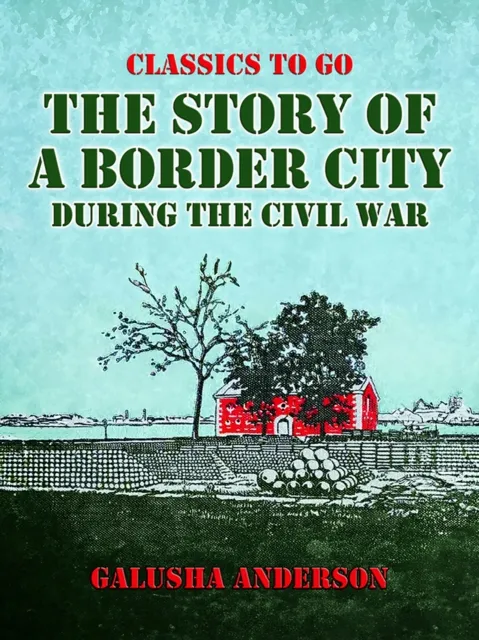
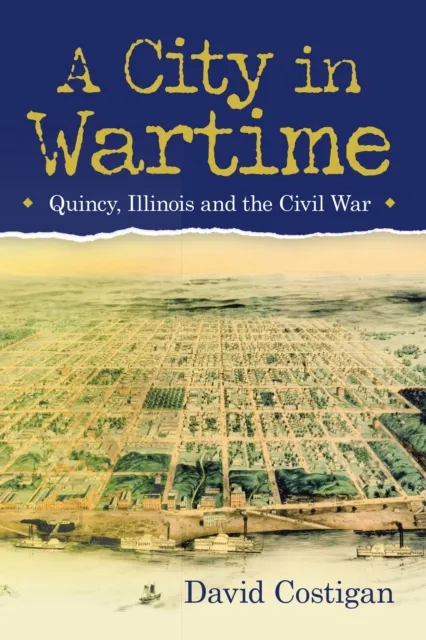
The book examines the impact of the Civil War on Quincy, Illinois. Quincy, in 1860 the third largest city in Illinois, is situated on the Mississippi River across from slave state Missouri, thus exposing it to the uncertainties and potential strife of a border region.
Political and Military Contributions
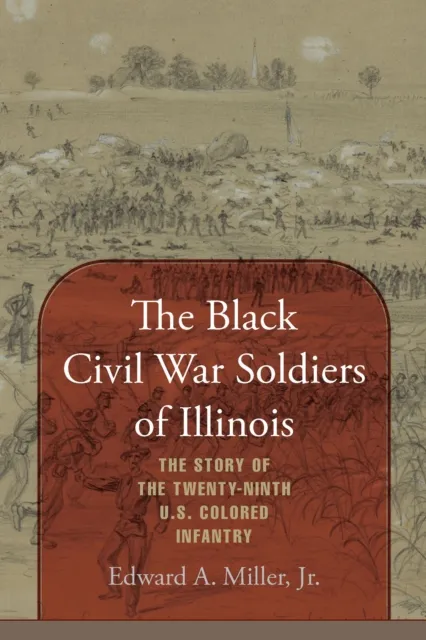
Quincy entered the war with a rich tradition of providing influential political leaders. In 1860 Quincyan John Wood was the governor of Illinois and the Democrat Stephen A. Douglas, during his first two congressional terms, recognized Quincy as his home district. Quincy had the distinction of providing two U.S. Senators during the war, Orville Hickman Browning and William Richardson. Quincy served as a muster and training site for both white and black troops. Some of the latter served for Massachusetts, and the 29th U.S. Colored regiment trained at Quincy and, after moving out, fought the Battle of the Crater at Petersburg, Virginia in July 1864.
Social and Humanitarian Aspects
In addition, Quincy served as a port of entry for blacks fleeing the South in the aftermath of the Emancipation Proclamation. The city experienced discord related to the influx, but also a measure of altruism appeared among some dedicated to helping blacks make the challenging transition from slavery. Women of Quincy banded together in three organizations designed to serve the needs of Soldiers and their dependents.
Economic Impact
Economically, the city experienced an early downturn, but rebounded strongly to achieve growth during the war. Quincy and its hinterland in northeast Missouri strove mightily to restrain friction so as to protect the economic vitality of the region.