$172.99
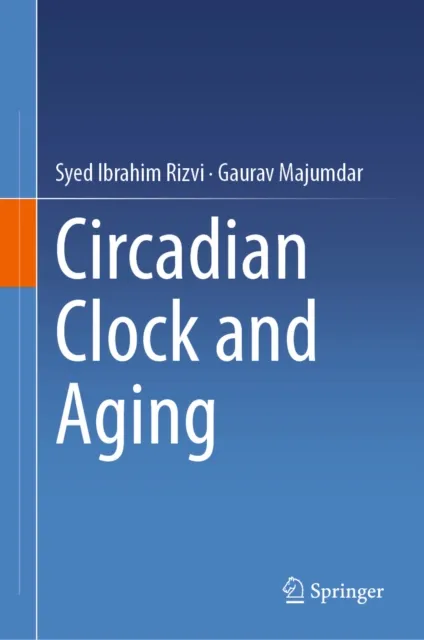
Circadian Clock and Aging

Introduction to Circadian Rhythms and Aging
This book aims to understand the inherent circadian cycles of biological processes and their role in maintaining health and healing a variety of diseases. The book is divided into eight sections. The first section introduces circadian rhythms and aging.
Mechanistic Approach of Oscillatory Pathways
The second section focuses on the detailed mechanistic approach of oscillatory pathways in mammals.
Sensitivity of the Biological Clock
The next section summarizes the sensitivity of the biological clock towards light and the circadian response to melatonin in mammals.
Circadian Architecture at the Cellular Level
The fourth section addresses the circadian architecture at the cellular level and introduces an age-dependent experimental model of rodents for subsequent biochemical and molecular investigations.
Regulation in Mitochondrial Dynamics and Aging
The subsequent section covers the complexity of circadian regulation in mitochondrial dynamics and its impact on aging.
Experimental Approaches and Health Consequences
The sixth section of the book discusses the findings obtained from different experimental approaches as a critical threat to the functioning of clock regulatory mechanisms and its associated health consequences during aging in humans and animal models.
Disrupted Oscillatory Mechanisms and Neurological Disorders
The circadian oscillatory mechanisms that are dysregulated and might play an important role in the development and progression of neurological disorders such as Alzheimer’s Disease (AD), Parkinson’s Disease (PD), Huntington’s Disease (HD), and Amyotrophic Lateral Sclerosis (ALS), etc are discussed in the next section.
Circadian Clock as a Drug Target
Towards the end, the book explores the circadian clock as a possible drug target to restore circadian oscillations.