$37.99
Church, Capitalism, and Democracy in Post-Ecological Societies
A Chinese Christian Perspective

Most ecotheologies
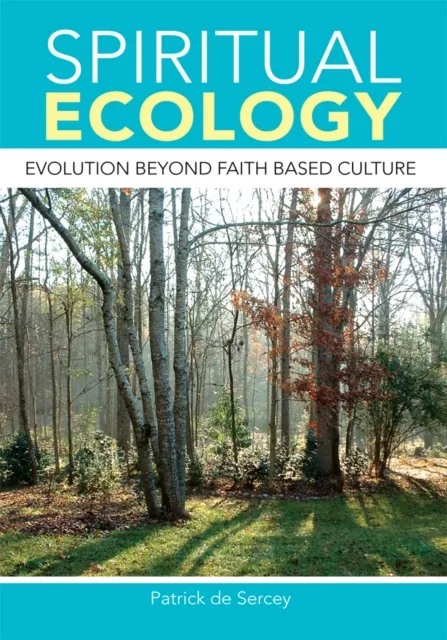
Most ecotheologies build their arguments on the Bible's creation-story and resurrection-narrative in the hope to save the ecology through spiritual meditation, reforming capitalism, and/or deliberative democracy. However, based on a Chinese Christian social scientist's perspective, this book argues that few of these ecotheologies are theologically and empirically valid. Instead, it proposes a neuro-institutional post-ecology theology that builds on the major themes of the Last Judgment to refocus ecotheology toward evangelism and to adapt ecotheology to capitalism and democracy in order to embrace the "already but not yet" impacts of the inevitable total destruction of the ecology in the near future.
The vanities in current ecotheologies
The vanities in current ecotheologies are divided into religious, economic, and political categories. Among the major ones discussed in this book are the vanities of ecological meditation theology, leftist and rightist economic theologies, as well as ecotheologies of green authoritarianism and deliberative democracy. Even if these ecotheologies work perfectly as they were intended to, global ecological crises have passed the point of no return (i.e., post-ecology) and rendering all of them a global vanity.
A proposed course of action
Based on a Chinese Christian social scientist's perspective, this book proposes a moderate course of ecological spirituality, economic behaviors, and democratic actions, but with a radical devotion to crisis management and evangelism in preparation for the Doomsdays. This book is unique in its balanced interdisciplinary composition, employing theories from cognitive science, Christian theology, economics, and political science.