$152.99
Big Data in Oncology: Impact, Challenges, and Risk Assessment

Introduction
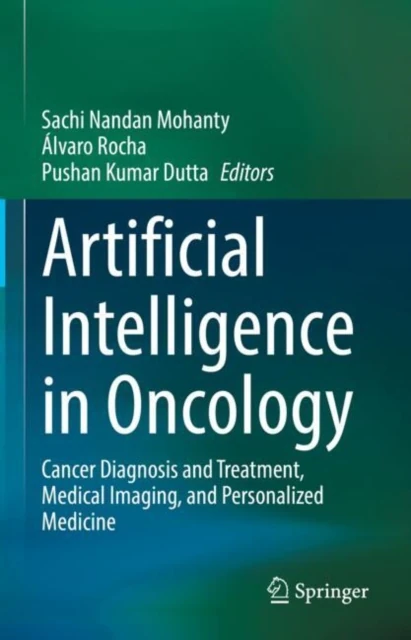
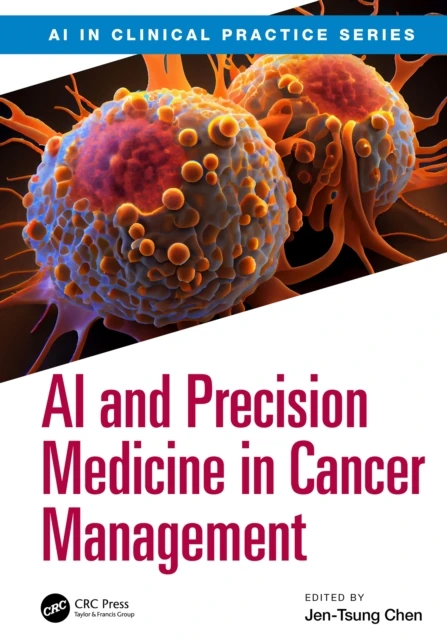
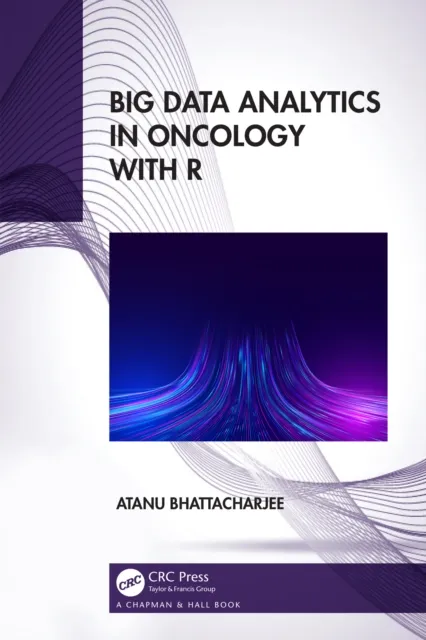
We are in the era of large-scale science. In oncology there is a huge number of data sets grouping information on cancer genomes, transcriptomes, clinical data, and more. The challenge of big data in cancer is to integrate all this diversity of data collected into a unique platform that can be analyzed, leading to the generation of readable files. The possibility of harnessing information from all the accumulated data leads to an improvement in cancer patient treatment and outcome. Solving the big data problem in oncology has multiple facets. Big data in Oncology: Impact, Challenges, and Risk Assessment brings together insights from emerging sophisticated information and communication technologies such as artificial intelligence, data science, and big data analytics for cancer management.
Focus of the Book
This book focuses on targeted disease treatment using big data analytics. It provides information about targeted treatment in oncology, challenges and application of big data in cancer therapy.
Key Topics Covered
- Recent developments in the fields of artificial intelligence, machine learning, medical imaging, personalized medicine, computing and data analytics for improved patient care.
- Description of the application of big data with AI to discover new targeting points for cancer treatment.
- Summary of several risk assessments in the field of oncology using big data.
- Focus on prediction of doses in oncology using big data
Intended Audience
The most targeted or relevant audience is academics, research scholars, health care professionals, hospital management, pharmaceutical chemists, the biomedical industry, software engineers and IT professionals.