$85.99
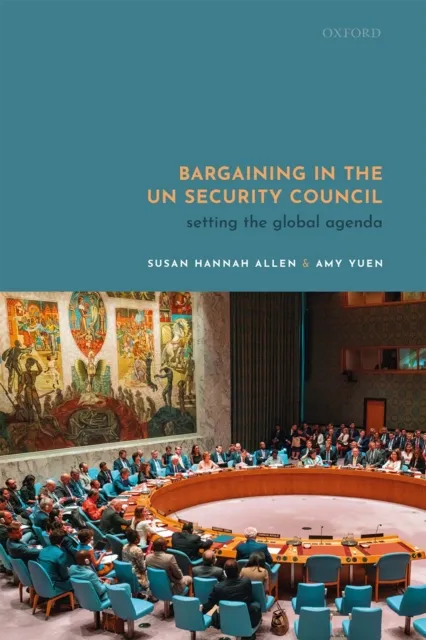
Bargaining in the UN Security Council
Setting the Global Agenda

Why does the Security Council take up some issues for discussion and not others?
What factors shape the Council's actions, if they take any action at all?
Insights from legislative bargaining
This book demonstrates that the agenda-setting powers granted in the institutional rules offer less powerful Council members the opportunity to influence the content of a resolution without jeopardizing its passage.
Decisions on diplomacy
The Council also decides when to conduct public or private diplomacy.
External factors and behaviors
The analysis shows how external factors like international and domestic public reactions motivate grandstanding behaviors and shape resolutions. New quantitative data on meetings and outside options provide support for these claims.
Case studies
The book explores the dynamics of the formal analysis in three cases: North Korean nuclear proliferation, the negotiations leading up to NATO bombing in Serbia over Kosovo, and the elected member-led process to codify the principles of the Responsibility to Protect doctrine.
Influence of rules and members
The book argues that while the powerful veto members do have great influence over the Council, the rules of the most consequential security institution influence its policy outcomes, just as they do in any other international institution.