£179.99
Artificial Intelligence and the Perspective of Autonomous Surgery

Introduction
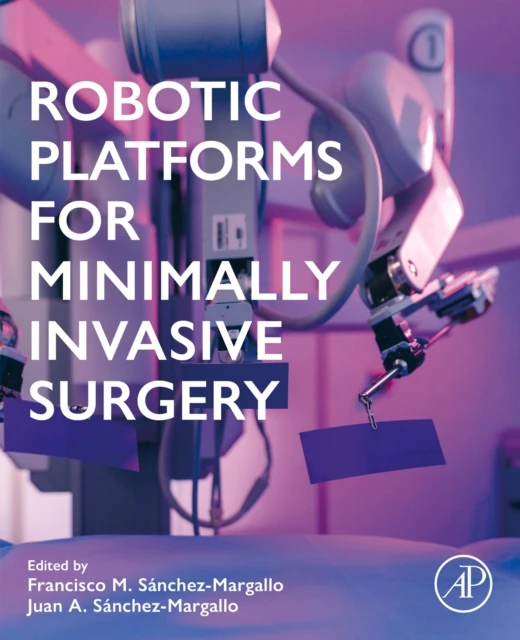
This book has two heroes - the surgeon and the robot. The education system and intelligence can create a human who is specialized in surgery. While the accurate analysis of data with machine learning, AI, can create a more autonomous robot for surgery. Currently, robots still require human input in the decision-making loop, whether or not this will always be the case is an issue that still needs to be debated, analyzed and studied, preferably by computer scientists AND surgeons.
Advances in Surgical Technology
Surgeons and their patients are increasingly opting for less invasive surgeries. However, among their many advantages, there is an important issue: less invasiveness always means limited access to direct information from the operating field (3D image, local palpation sensations, all information about the "whole" patient and feedback from the accompanying team during teleoperation). To increase precision, we are increasingly using surgical robots and mechatronic instruments. The less invasive the surgery and the greater the precision of robotic micro-instruments, the greater the role of artificial intelligence methods, especially machine learning, which supports the surgeon in making decisions, planning and performing the procedure.
The Future of AI in Surgery
The development of artificial intelligence and further evidence of its effectiveness in various application fields mean that the work of a doctor is changing today. In the book, we address the issue of AI surgery, asking whether this means that an AI surgeon will be created? A key question about autonomous surgical robots will come up regularly: how far can we go with their autonomy while maintaining safe and effective procedures?
Purpose and Audience
The book provides useful information on both early successes, failures, and expectations related to the development of new technologies in surgery. It is a guide written by various experts, intended for a wide audience: from medical development planners, through students, to doctors and decision-makers.