$37.99
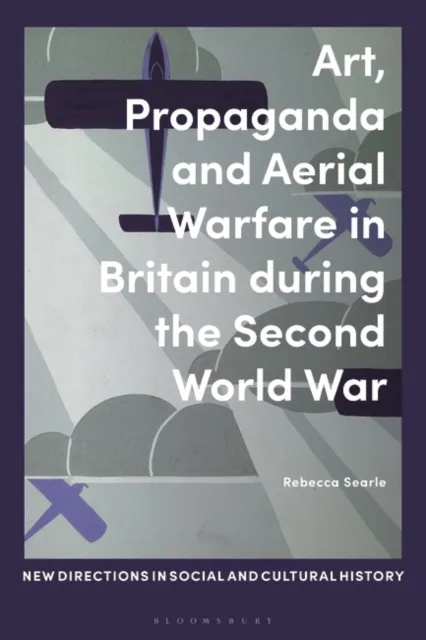
Art, Propaganda and Aerial Warfare in Britain during the Second World War

The War Artists' Advisory Committee (WAAC)
The War Artists' Advisory Committee (WAAC) were responsible for the production of some of the most iconic images of the Second World War. Despite its rich historical value, this collection has been poorly utilised by historians and hasn’t been subjected to the levels of analysis afforded to other forms of wartime culture. This innovative study addresses this gap by bringing official war art into dialogue with the social, economic and military histories of the Second World War.
Rebecca Searle explores the tensions between the documentarist and propagandistic roles of the WAAC in their representation of aerial warfare in the battle for production, the Battle of Britain, the Blitz and the bombing of Germany. Her analyses demonstrate that whilst there was a strong correlation between war art and propaganda, the WAAC depicted many aspects of experience that were absent from wartime propaganda, such as class divisions within the services, gendered hierarchies within industries, civilian death and the true nature of the bombing of Germany. In addition, she shows that propagandistic constructions were not entirely separate from lived experience, but reflected experience and shaped the way that individuals made sense of the war.
Accessibly written, highly illustrated and packed with valuable examples of the use of war art as historical source, this book will enhance our understanding of the social and cultural history of Britain during the Second World War.