$65.99
Art and Resistance: Studies in Modern Indian Theatres

Introduction
This volume begins with the assumption that "Hindu" should not be conflated with "Indian" (as in the case of Orientalist criticism of Indian theatre) and that modern Indian theatre need not have its starting point in classical Sanskrit drama (as many Indologists would assert). Rather, this volume uses the insights of reception theory's critique of nationalist historiography to explore a possible framework with which one might theoretically locate the issues inherent in the terms "modern Indian theatre."
Modern Indian Theatre
Following the work of the eminent Indian comparatist, Sisir Kumar Das, this volume looks at how modernity in Indian theatre entails attempts of various Indian language groups to adjust to the forced cohabitation with both foreign and indigenous traditions. Rather than looking at Indian theatre as solely a process of Westernization or Sanskritization, this book looks at it as a response. The aesthetics of reception is then seen as a transactional and dialogical process wherein one is not always just responding to the Western or the classical Indian contexts.
Social Imagination and Language
As opposed to most postcolonial and Indological readings, this volume traces the domain of the social imagination that has shaped modern Indian sensibilities across various languages and thereby resisting the hermetic aesthetic of reliance on hegemonic languages such as Sanskrit and English.
Theatrical Ritual
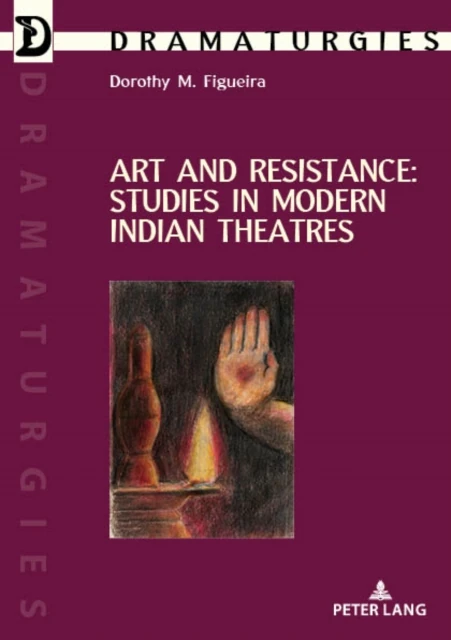
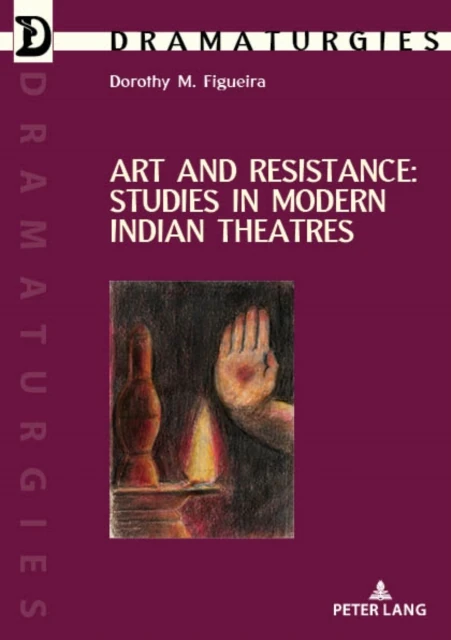
The cover tries to reflect the overall approach of the volume. A theatrical play begins with the lighting of the ritual lamp to signify drama being given to humanity by Brahma, the Creator. According to the compendium on dramatic arts (The Natyashastra, chapter 21), the hand gesture depicted here heralds the ensuing dramatic action.