$63.99
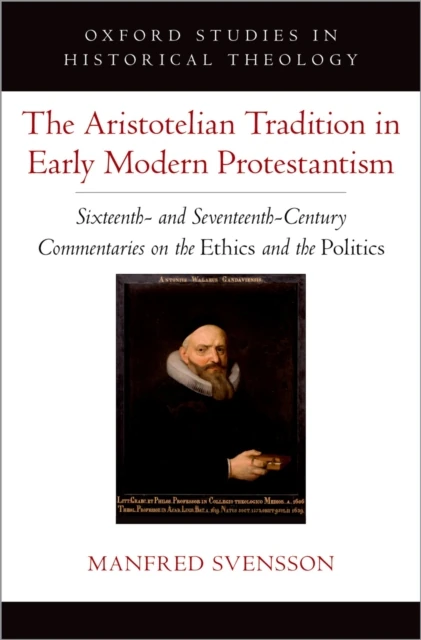
Aristotelian Tradition in Early Modern Protestantism
Sixteenth- and Seventeenth-Century Commentaries on the Ethics and the Politics

Aristotle's Moral and Political Thought in Education
Aristotle's moral and political thought formed the backbone of education in practical philosophy for centuries during the classical and medieval periods. It has often been presumed, however, that with the advent of the Protestant Reformation, this tradition was broken. Originally a topic belonging to Roman Catholic polemics, this interpretation of Protestant relations with Aristotle gradually became a part of the Protestant self-understanding as well. Lack of engagement with the actual curriculum of early Protestant schools allowed Luther's dismissive comments on Aristotle to be taken as representative of early Protestant teaching.
The Aristotelian Tradition in Early Modern Protestantism
Manfred Svensson shows how the days of this view as a dominant narrative are over. Between 1529 and 1670, Protestants published around 55 commentaries on the Ethics and around 15 on the Politics, several of these in numerous editions. In academies and universities in Lutheran and Reformed territories throughout the Reformation and post-Reformation era, the exposition of these works continued to form the backbone of moral and political education. This tradition has, however, largely flown under the radar and is now for the first time presented in a comprehensive way.
Context and Relationships of Commentaries
Offering a discussion of the medieval context and debt to Renaissance Aristotelianism, Svensson maps the relationships between these commentaries and their authors, presenting their shared understanding of practical philosophy in its relation to the Christian faith and offering in-depth discussions of key ethical and political concepts.