$24.99
Archaeology of Darkness

Introduction
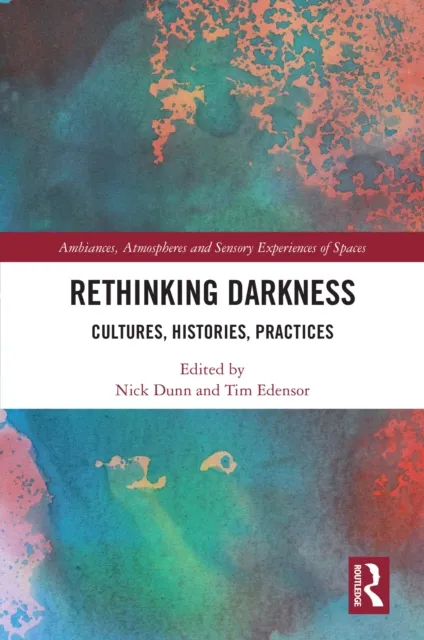
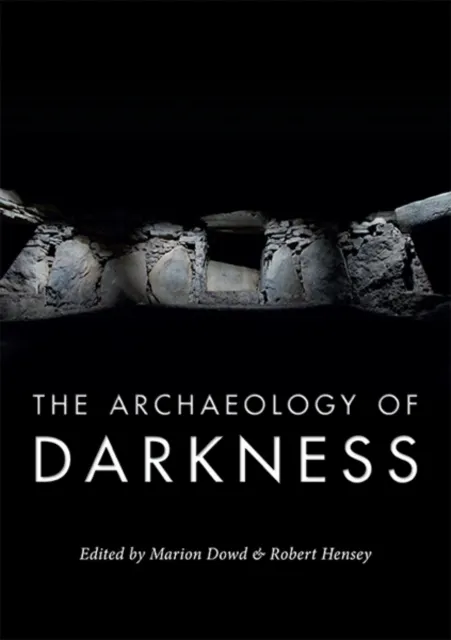
Through time people have lived with darkness. Archaeology shows us that over the whole human journey people have sought out dark places, for burials, for votive deposition and sometimes for retreat or religious ritual away from the wider community.
Exploration of Dark Places
Thirteen papers explore Palaeolithic use of deep caves in Europe and the orientation of mortuary monuments in the Neolithic and Bronze Age. It examines how the senses are affected in caves and monuments that were used for ritual activities, from Bronze Age miners in Wales working in dangerous subterranean settings, to initiands in Italian caves, to a modern caver’s experience of spending time in one of the world’s deepest caves in Russia.
Darkness in Different Cultures and Latitudes
We see how darkness was and is viewed at northern latitudes where parts of the year are spent in eternal night, and in Easter Island where darkness provided communal refuge from the pervasive sun.
Effects of Darkness
We know that spending extended periods in darkness and silence can affect one physically, emotionally and spiritually. How did interactions between people and darkness affect individuals in the past and how were regarded by their communities? And how did this interaction transform places in the landscape?
Contemporary Perspective
As the ever-increasing electrification of the planet steadily minimizes the amount of darkness in our lives, curiously, darkness is coming more into focus. This first collection of papers on the subject begins a conversation about the role of darkness in human experience through time.