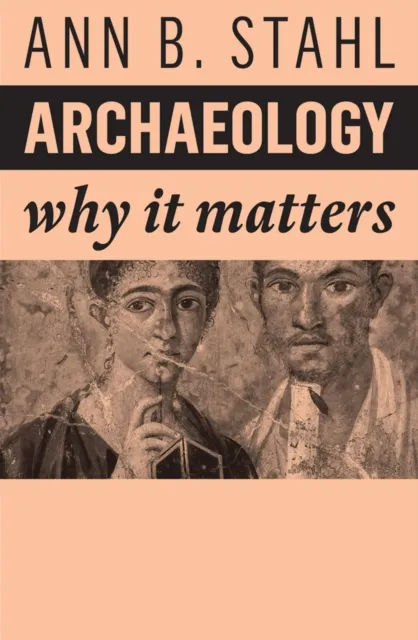
$145.99
Archaeology in Africa: Why the Past Matters

Introduction
This book presents a comprehensive account of how archaeology in Africa evolved, was challenged, and reimagined. Moving from nineteenth-century antiquarianism through independence to today, the book dismantles dark continent myths, foregrounds African ways of knowing, and argues for a praxis of archaeologies: multivocal, community-engaged, and methodologically rigorous.
Case Studies and Themes
Case-led chapters demonstrate how trade, mobility, religion, and the environment have produced diverse African pasts, while contemporary sections address restitution, heritage policy, tourism, and climate risk.
Understanding Africa in Archaeology
The book begins by clarifying what “Africa” signifies in scholarly and public discourse, then dismantles the enduring “dark continent” trope by setting colonial narratives against African intellectual traditions and evidence.
Historical Development of African Archaeology
Subsequent chapters track the emergence of archaeology, beginning with collections, amateurs, and missionaries, and progressing to professional excavations, surveys, and archaeological science, as well as the discipline’s theoretical shifts, from culture history and processualism to post-processual and postcolonial critique, all examined through African case studies.
Why the Past Matters
The closing chapters set out why the past matters now: for identity, education, livelihoods, and environmental stewardship.
Conclusion
Clear prose, focused case studies (spanning deep prehistory to the second-millennium trade horizons), and a continent-wide lens make this volume essential for students and researchers, while its emphasis on ethics and engagement resonates with heritage professionals and the broader public. The result is a clear, compelling account of what African archaeology is, how it differs from older traditions, and why it matters— for scholarship, for heritage stewardship, and for public life.