$88.99
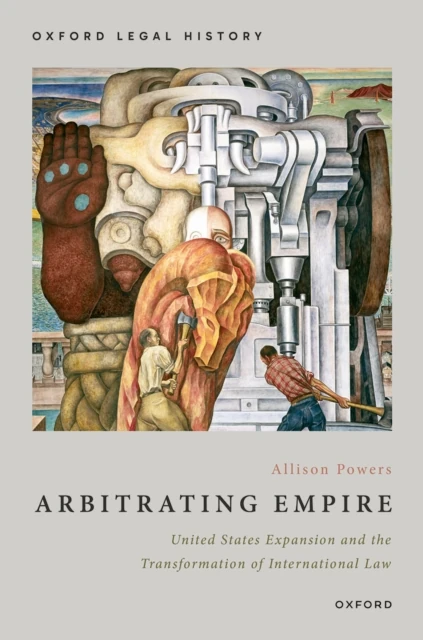
Arbitrating Empire
United States Expansion and the Transformation of International Law

Arbitrating Empire offers a new history of the emergence of the United States as a global power
one shaped as much by attempts to insulate the US government from international legal scrutiny as it was by efforts to project influence across the globe. Drawing on extensive archival research in the United States, Mexico, Panama, and the United Kingdom, the book traces how thousands of dispossessed residents of US-annexed territories petitioned international Claims Commissions between the 1870s and the 1930s to charge the United States with violating international legal protections for life and property.
Through attention to the consequences of their unexpected claims
Allison Powers demonstrates how colonized subjects, refugees from slavery, and migrant workers transformed a series of tribunals designed to establish the legality of US imperial interventions into sites through which to challenge the legitimacy of US colonial governance. One of the first social histories of international law, the book argues that contests over meanings of sovereignty and state responsibility that would reshape the mid-twentieth-century international order were waged not only at diplomatic conferences, but also in Arizona copper mines, Texas cotton fields, Samoan port cities, Cuban sugar plantations, and the locks and stops of the Panama Canal.
Arbitrating Empire uncovers how ordinary people used international law
to hold the United States accountable for state-sanctioned violence during the decades when the nation was first becoming a global empire—and demonstrates why State Department attempts to erase their claims transformed international law in ways that continue to shield the US government from liability to this day.