$56.99
American Environmental Fiction, 1782-1847

Introduction
While Ralph Waldo Emerson and Henry David Thoreau are often credited with inventing American environmental writing, Matthew Wynn Sivils argues that the works of these Transcendentalists must be placed within a larger literary tradition that has its origins in early Republic natural histories, Indian captivity narratives, Gothic novels, and juvenile literature.
Early Literary Influences
Authors such as William Bartram, Ann Eliza Bleecker, and Samuel Griswold Goodrich, to name just a few, enabled the development of a credibly American brand of proto-environmental fiction.
Development of American Environmental Fiction
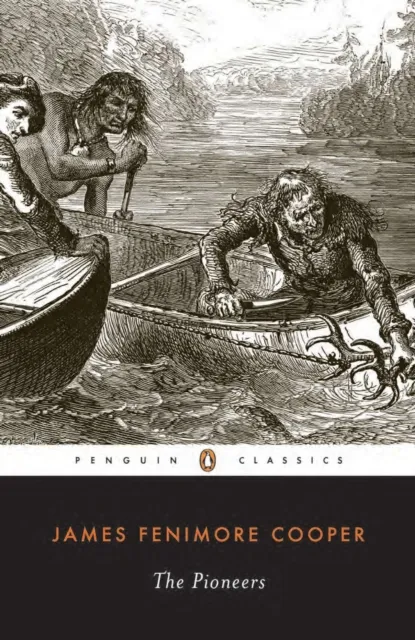
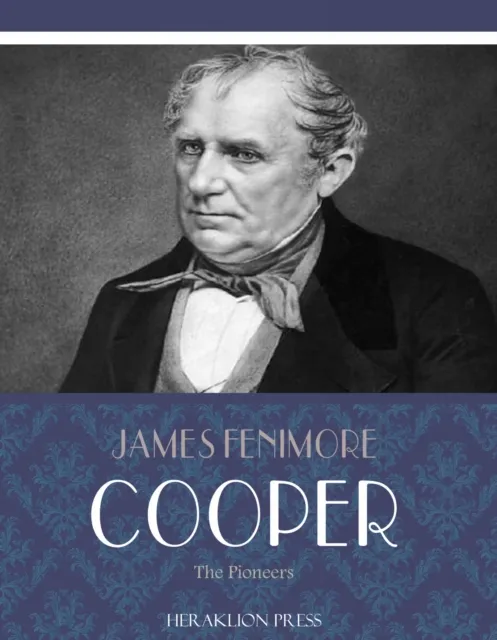
Sivils argues that these seeds of environmental literature would come to fruition in James Fenimore Cooper’s The Pioneers, which he argues is the first uniquely environmental American novel.
Biogeographical Politics and European Anti-Americanism
He then connects the biogeographical politics of Cooper’s The Prairie with European anti-Americanism; and concludes this study by examining how James Kirke Paulding, Thomas Cole, and James Fenimore Cooper imaginatively addressed the problem of human culpability and nationalistic cohesiveness in the face of natural disasters.
Impact on American Identity
With their focus on the character and implications of the imagined American landscape, these key works of early environmental thought contributed to the growing influence of the natural environment on the identity of the fledgling nation decades before the influences of Emerson's Nature and Thoreau's Walden.