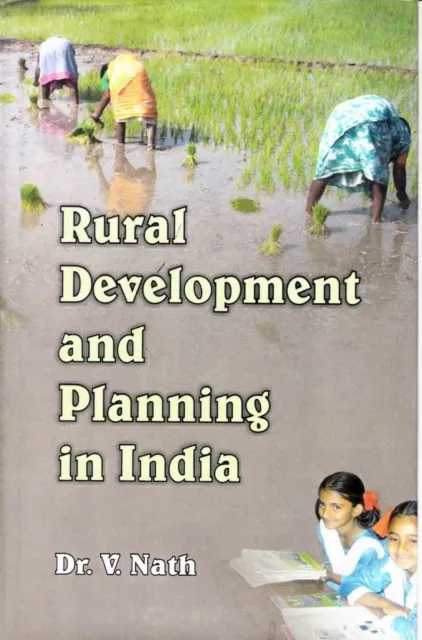
£48.99
Agriculture and Rural Development Planning
A Process in Transition

Introduction
This book meets the needs of teachers and students of agriculture and rural development project and programme planning, planners employed by governments in developing countries and by external financing agencies.
Project planners must understand the aspirations of rural families and their local leaders, the national development and sector planning goals and policies of their governments and the development goals and policy priorities perceived by external financing agencies in relation to their countries. These areas are not always consistent and trade-offs may be required. However it is recognised that poor project planning is a major constraint to the sustainable realization of project and programme objectives and sector goals.
Content and Relevance
Illustrated with case studies and logical framework matrices, this book presents well-established and relatively new practices followed in the context of agriculture and rural development project and programme planning. Although based on experiences gained in Africa, the issues described are relevant to planning problems encountered in other developing regions of the world.
Key Factors and Approaches
It addresses the main factors which affect the success of planning such as a government's ability to guarantee macro-economic stability and sound sector development policies; the shift from top-down, bureaucratic to bottom-up, participatory planning approaches and the roles played by external financing agencies.
Technical and Institutional Issues
It explains key technical, financial, economic, environmental, socio-cultural, equity, gender and institutional-strengthening issues concerning planning in rural areas and reviews the planning tools and approaches available. The procurement of goods and services, the disbursement of funds and monitoring and evaluation requirements are examined in detail.