$61.99
Affirmative Action and Equal Opportunity: Action, Inaction, Reaction

Introduction
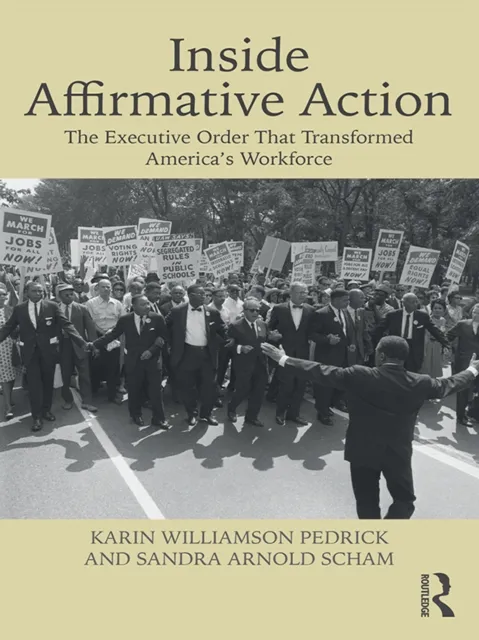
The affirmative action program has engendered a hostile reaction in many quarters. Originating in presidential executive orders and civil rights legislation, the program is intended to combat institutional race and sex discrimination by encouraging public and private organizations to go beyond the mere cessation of formal discriminatory practices— to enact their own programs to end unfair practices.
Meaning of Affirmative Action
In contrast to the passive nondiscrimination of equal opportunity, affirmative action means that employers must act positively, affirmatively, and aggressively to remove all barriers, however informal or subtle, that prevent minorities and women from having equal access to all levels of the nation’s educational, industrial, and government institutions.
Questions and Examination
Is affirmative action, in fact, geared to equal opportunity? Or has it resulted in greater inequality for white males? The authors of this book empirically examine employment in government, industry, and higher education and enrollment in colleges and universities to determine the current status of women and minorities as employees and students.
Details of the Program
They also describe the machinery of affirmative action, its budget and staff problems, the compliance and enforcement processes, and the results of the program. Their final chapter includes a theoretical explanation for the very apparent resistance to affirmative action and expresses their pessimism about the program’s ability to accomplish its goals, especially in light of recent efforts to weaken its already limited power.
Conclusion
They close with a discussion of the future of affirmative action and the likelihood of achieving equal opportunity in employment.