$243.99
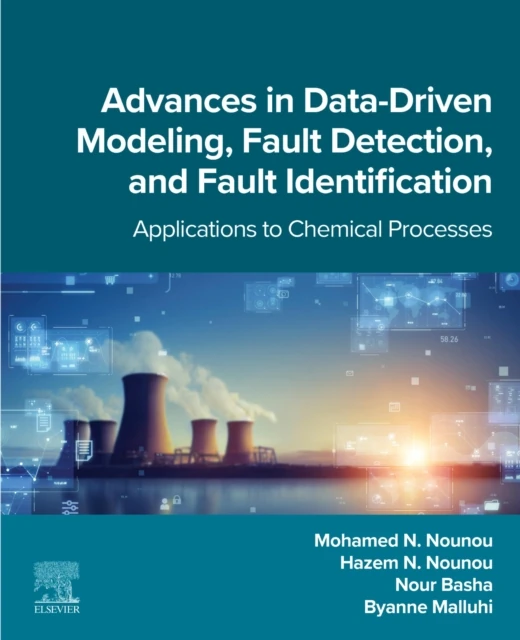
Advances in Data-Driven Modeling, Fault Detection, and Fault Identification
Applications to Chemical Processes

Advances in Data-Driven Modeling, Fault Detection, and Fault Identification: Applications to Chemical Processes
presents a comprehensive collection of research focused on data-driven modeling techniques for robust modeling, fault detection, and fault identification in chemical processes.
This accessible guide caters to both academic and industrial researchers seeking to enhance their work with data-driven methodologies.
The book begins with an overview of key methods, emphasizing their significance in research and industry applications.
Chapters delve into various chemical processes, such as the Tennessee Eastman Process and a Fischer-Tropsch bench scale setup, to validate and compare the discussed techniques.
Content Organization
The content is organized into three main categories:
- Basic and advanced robust empirical techniques
- Prominent empirical statistical charts for detecting faults in multivariate systems
- Conventional and novel, multiclass classification, machine-learning techniques for accurately distinguishing between different fault types in batch or real-time scenarios
Whether a researcher or practitioner, this book is an essential resource for leveraging data-driven approaches in chemical engineering fields.
Features
Seamlessly bridges the gap between experts and beginners by offering in-depth mathematical formulations for advanced users and simplified explanations for newcomers, ensuring clarity and comprehension for all.
Offers step-by-step instructions for optimizing and tuning empirical methods toward specific goals, enabling users to replicate and validate results effectively.
Delivers targeted advice on the optimal use of each technique, empowering users to quickly harness the full potential of data-driven methods without the need for trial and error.