$278.99
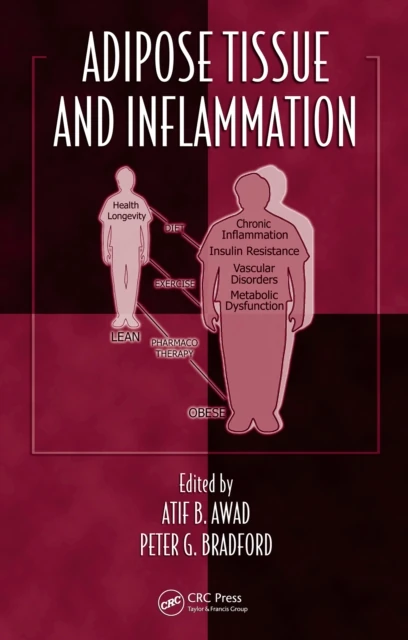
Adipose Tissue and Inflammation

The American Obesity Association
The American Obesity Association identifies obesity’s link to numerous medical conditions, including hypertension, type 2 diabetes, cardiovascular disease, several cancers, and a host of inflammatory disorders. Evidence indicates that inflammation has more than a corollary relation with obesity; that in fact, obesity itself manifests a low-grade, metabolically associated inflammation involving many of the same mediators associated with classic inflammation.
Concurrent with our understanding, we have to recognize that more than a storage site for fat, adipose tissue itself is an essential endocrine organ that produces and secretes a host of hormones in response to varying physiologic and pathologic states.
Adipose Tissue and Inflammation
Bringing together the research and findings of leading experts from across the world, Adipose Tissue and Inflammation focuses on the contribution of adipose tissue to local and systemic inflammation. Demonstrating the endocrine like nature of adipose tissue, this book—
Key Topics
Looks at the direct relation between adipokines and inflammation
Examines the role of adipose secreted hormones as mediators of inflammation
Details the inflammatory actions of adiponectin, leptin, and resistin
Discusses insulin and dietary fatty acids as modulators of inflammation
This book belongs to the groundbreaking CRC Press Series on Oxidative Stress and Disease. The series now includes more than two-dozen volumes that address the multiple ways that oxidative stress initiates and accelerates disease mechanisms. Most importantly, this book, like the series, offers invaluable information regarding nutritional and life style choices, and interventions that can be employed to prevent, control, and even ameliorate disease processes attributed to oxidative stress. While much of the information put forth on these pages is sobering, the authors also look at the anti-inflammatory properties of plant sterols and phytoestrogens and the role that antioxidants and polyphenols play in moderating adipose inflammation. Further research looks at the role of exercise and weight loss in reducing inflammation; and discusses pharmaceutical approaches to adipose tissue related-inflammation.