$98.99
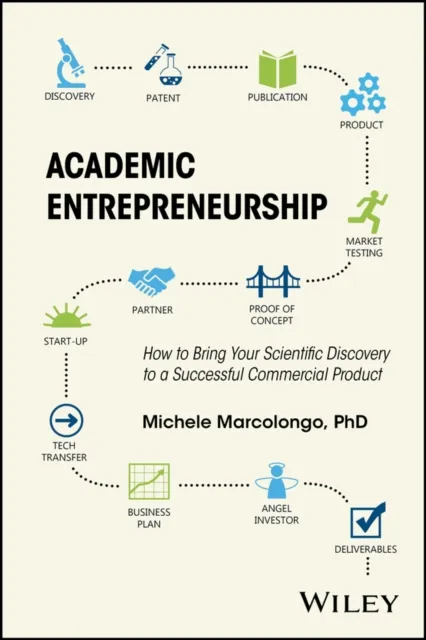
Academic Entrepreneurship

Introduction
This book explores different aspects of entrepreneurship from both an academic and a commercial point of view. The first chapter the university culture is considered. The nature of the technology or service is important. Some technologies are adaptive, in that they are developing products that are already in the marketplace, and these fit easily in academic institutions. Other technologies are disruptive and new products must be developed. These fit less easily into university structures since a commercial entity is required. Chapter 4 considers the important requirements of conflict of interest (COI). Either the university culture or COI can hinder or aid entrepreneurial faculty.
Motivations for Entrepreneurship
The second chapter deals with the reasons why an individual faculty might wish to become entrepreneurial. In many cases, a faculty member wants to see their technology in practice and not just a publication in a scientific journal. If a technology is disruptive, then a commercial entity is probably essential. If so, then funding must be obtained. There are “valleys of death” (1) where scientific discoveries to useful products and (2) the development, production and marketing of a commercially viable product. Chapter 6 deals specifically with methods of funding start-up companies.
Innovative Programs in Biology
Chapter 3 describes several innovative programs in biology. These include genetic approaches, plant management systems and the author’s own program that deals with microbial approaches to sustainable agriculture.
Legal and Regulatory Aspects
Chapter 5 describes the crucial areas of agreements, contracts, regulatory affairs and patents. These legal documents are critical components of entrepreneurial efforts and must be understood and pursued correctly.
Final Thoughts
Finally, this book could have been entitled “things I wish I had known when I first started commercial activities.” It is my hope that it can make the path of fledgling entrepreneurial smoother and more successful.