£26.09
£81.00
Zoroastrianism in India and Iran
Persians, Parsis and the Flowering of Political Identity

Historical Context
In the nineteenth century, a number of Zoroastrians emigrated from Iran to India. The subsequent importance of the cultural, religious and political ties between the Zoroastrian communities of Iran and the Zoroastrian communities of India has long been recognised. But despite this, there has been little scholarly attention paid to the changing dynamics of this transnational relationship.
Book Focus
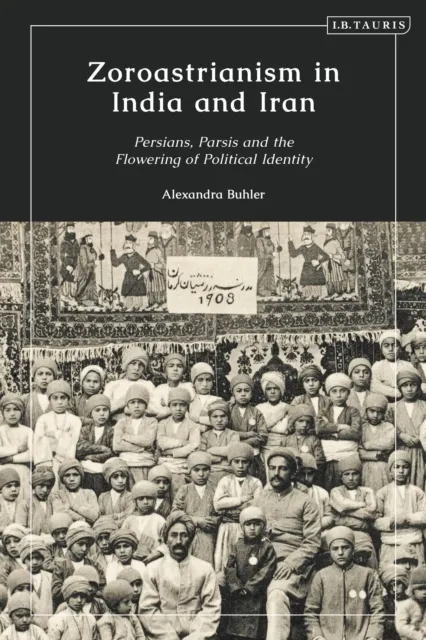
This book examines the Zoroastrian community in the late Qajar and early Pahlavi period beyond the borders of Iran to trace this Parsi-Persian relationship. A major theme is the increase in philanthropy directed to the Zoroastrians of Iran by the Parsis and the involvement of the British in encouraging Parsi feelings of patriotism towards Iran. The book shows that not only were Parsis affected by events taking place in Iran, they also contributed to the broader change in attitudes towards Zoroastrians in that country.
Sources and Significance
Using a variety of original sources from Britain, India and Iran, Alexandra Buhler looks at the political, legal, and social position of Zoroastrians in Iran and how different events impacted their attitudes as well as the attitudes of Parsis towards their ancestral homeland. Of particular significance, this book shows, are the seminal years of the Iranian Constitutional Revolution (1906-11) and the rise in the glorification of the pre-Islamic past, which culminated in the state nationalism expounded by Reza Shah. These political moments had a profound impact on how Zoroastrians in India felt about their future in the country and reveal a complex web of relations between the Parsis, the Zoroastrians of Iran, and the British.