£34.99
Your Teaching Style
A Practical Guide to Understanding, Developing and Improving

Introduction
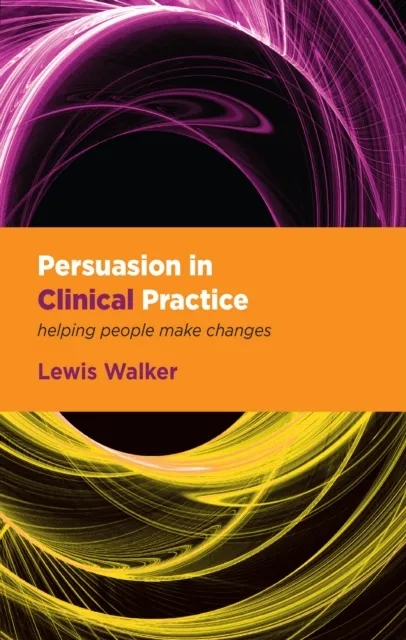
This extraordinary and practical book examines neuro linguistic programming (NLP) - the knowledge and skills to detect and affect thinking patterns - and applies it to each phase of the medical consultation. It outlines the NLP tools most useful to physicians who wish to understand and utilise the dynamic structure underlying the processes used by excellent communicators. It explains how improving communication skills and developing new models of consultation to incorporate into daily practice not only helps healthcare professionals become better communicators but reassures patients alleviating suffering and promoting healing.
Content and Perspectives
This book provides many case examples and includes skill based exercises to ensure easy and effective learning. There are unique fresh perspectives on challenging areas such as anger and aggression, dealing with complaints, breaking bad news, the heartsink patient, uncovering hidden depression, and telephone consulting skills. It is relevant to all healthcare professionals and of special interest to general practitioners, GP trainers, counsellors, and medical students.
Forewords
Building on the Calgary-Cambridge model, Lewis Walker has outlined some of the NLP tools that are most useful to physicians who wish to engage their patients' physical and psychological ability to self-heal. It is truly a pleasure to introduce a book that offers pragmatic tools in the service of that highest calling, namely the desire to alleviate suffering and promote healing. — Ian McDermott
This is a book packed with practical advice, and a welcome feature is the way the author relates his message to everyday problems and concerns that patients bring to the surgery. It contains powerful tools for change to be used ethically and with compassion. — John Duncan