£119.50
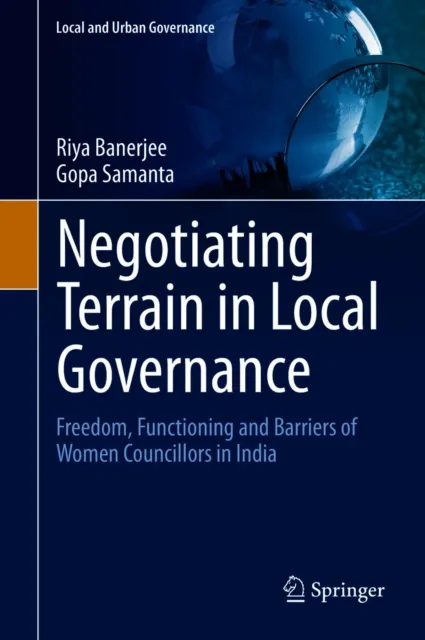
Women Leadership, Decentralised Governance and Development
Perspectives from Indian States

Overview
This book discusses experiences of women leaders in decentralised government structure in India and their participation in governance. The book also examines contribution of women leaders to the development of local area and economy through improved delivery of public services.
Policy and Representation
In India, the policy of reserving seats and executive positions to women in the Panchayati Raj Institutions (grassroot governance bodies in India) at the village, sub-district and district levels, and urban local bodies was introduced three decades ago to improve representation of women at the grassroots level and enable them to access political decision-making at the local level. Because of the policy, about half of three million leaders in local government are currently women.
Impact and Challenges
The book explores the impact of this significant representation of women on decentralised governance and development. It looks at why this impressive representation of women in the local government has not translated into improved participation of women at the provincial and national parliament. The book discusses successful models, experiences of women leaders from different parts in India, and challenges faced by them.
Methodologies and Audience
It offers new interpretations of findings and new methodologies to assess the contribution of women to decentralised governance and development. It is a rich source of material for researchers, teachers, practitioners, policymakers, NGOs, and think tanks.