£134.99
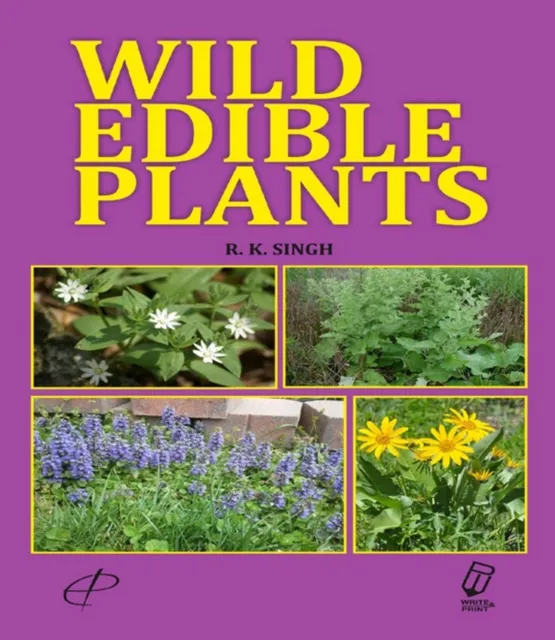
Wild Edible Plants

Wild edible plants (WEPs)
Wild edible plants (WEPs) refer to species that are neither cultivated nor domesticated, but available from their natural habitat and used as sources of food. WEPs are gathered for food, nutrition and livelihoods by different cultures around the world. These plants are gathered from varied habitats from natural forests, agricultural fields to human disturbed areas such as roadsides and wastelands. Forest forms the most important source of wild foods for rural households and forest inhabitants. Among some indigenous people utilization of WEPs is an integral component of their culture.
Various studies have found wild edible plants to be a potential source of nutrition, while in many cases they are more nutritious than conventionally eaten crops. Besides food and nutrition, utilization of wild foods as coping strategies during scarcity is prevalent, particularly in developing countries where food insecurity is more acute. Wild edible plants not only contribute to food quantity but also make a significant contribution to the population's nutrition throughout the year. Sometimes the nutritional value of traditional wild plants is higher than several known common vegetables and fruits.
In addition to providing food directly, uncultivated plants provide an opportunity for cash generation. Many plants used in industrialized countries today were originally identified and developed through indigenous knowledge. The book contains 97 wild edible plants with their illustrations, description, habitat, taxonomic hierarchy and uses which are indispensable to students and researchers.