£55.99
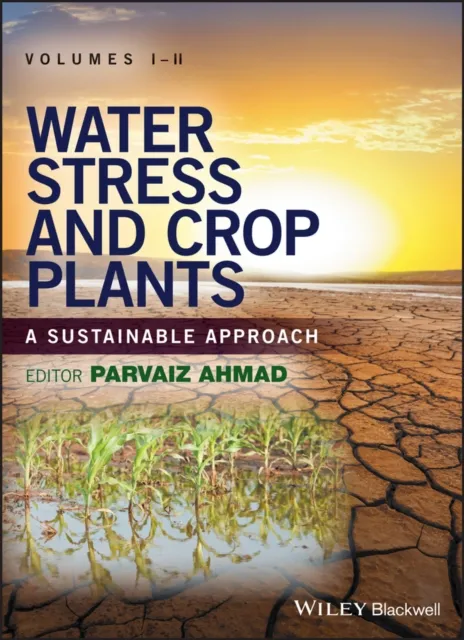
Water Stress in Crop Plants and Its Management

Overview of Water Stress in Plants
The book provides an overview of water stress in plants and alterations in the physiology, morphology, anatomy, and molecular mechanism due to water stress. The induction of water stress hormones and the up-regulating genes synthesizing them is also the major thrust of the book.
Water Relations and Photosynthesis
It also deals with the water and nutrient uptake, alteration in water relations, transpiration and stomatal conductance, and hence in the amount of photosynthesis vis-à-vis water stress.
Recent Studies and Regulatory Systems
It compiles recent studies on redox regulation, antioxidative systems, nitrogen metabolism and phytohormonal regulation in crop plants during water stress.
Strategies to Manage Water Stress
Different strategies to manage water stress, viz. by using different osmolytes, proteins, hormones and growth regulators, antioxidants, plant extracts, nitric oxide donors, macro and micro mineral nutrients, and the use of silicon have been discussed.
Biotechnological Tools and Crop Management
The viability of different biotechnological tools to make crop plants less water-demanding, the use of vetiver grass and the insertion of mycorrhiza in water-stressed crop plants have been explored.
Recent Literature and Omics Approaches
An exhaustive review of recent literature encompassing genomic, proteomic, transcriptomic, ionomics, and metabolomics approaches to have a better understanding of water stress is the prominent feature of the present book.
Signaling Molecules and Crosstalk
It discusses major signaling molecules involved in water-stressed environments as well as the crosstalk with other minerals, phytohormones etc.
Water Conservation and Sustainable Agriculture
Not least, the book endeavors to illustrate different water conservation methods to achieve sustainable agriculture.
Conclusion
The book is a comprehensive compilation of work to date on water stress and its management techniques and this will bridge the missing gap between the research from the past to the current time.