£38.99
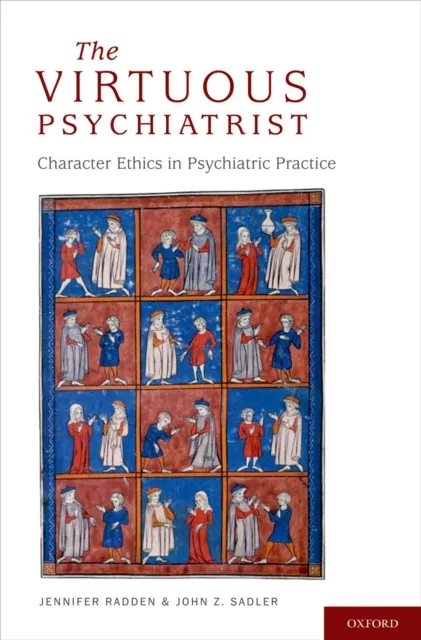
Virtuous Psychiatrist
Character Ethics in Psychiatric Practice

Context and Focus
The context for this interdisciplinary work by a philosopher and a clinician is the psychiatric care provided to those with severe mental disorders. Such a setting makes distinctive moral demands on the very character of the practitioner, it is shown, calling for special virtues and greater virtue than many other practice settings. In a practice so attentive to the patient''s self identity, the authors promote a heightened awareness of cultural and particularly gender issues.
Purpose and Approach
By elucidating the nature of the moral psychology and character of the good psychiatrist, this work provides a sustained application of virtue theory to clinical practice. With its roots in Aristotelian writing, The Virtuous Psychiatrist presents virtue traits as habits, able to be cultivated and enhanced through training. The book describes these traits, and how they can be habituated in clinical training.
Significance and Application
A turn towards virtue theory within philosophy during the last several decades has resulted in important research on professional ethics. By approaching the ethics of psychiatric professionals in these virtue terms, Radden and Sadler''s work provides an original application of this theorizing to practice. Of interest to both theorists and practitioners, the book explores the tension between the model of enduring character implicit in virtue theory and the segmented personae of role-specific moral responses.
Clinical Examples
Clinical examples are provided, based upon dramaturgical vignettes (caseplays) which illustrate both the interactions of the case participants as well as the inner monologue of the clinician protagonist.