£89.50
Understanding Urban Ecology
An Interdisciplinary Systems Approach

Understanding Urban Ecology: An Interdisciplinary Systems Approach
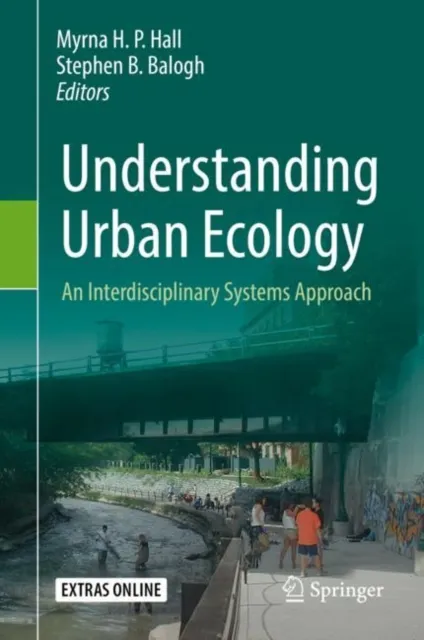
Over half of the world’s population now lives in urban areas. Few who live in cities understand that cities, too, are ecosystems, as beholden to the laws and principles of ecology as are natural ecosystems. Understanding Urban Ecology: An Interdisciplinary Systems Approach introduces students at the college undergraduate level, or those in advanced-standing college credit high school courses, to cities as ecosystems. For graduate students it provides an overview and rich literature base. Urban planners, educators, and decision makers can use this book to help in designing a more sustainable or “green” future. The authors use a systems approach to explore the complexity and interactions of different components of a city’s ecology with an emphasis on the energy and materials required to maintain such concentrated centers of human activity and consumption. The book is written by seventeen specialized contributors and includes ten accompanying detailed field exercises to promote hands-on experience, observation, and quantification of urban ecosystem structure and function.
The chapters describe one by one the different subsystems of the urban environment, their individual components and functions, and the interactions among them that create the social-ecological environments in which we live. The book’s emphasis on social-ecological metabolism provides students with the knowledge and methods needed to evaluate proposed policies for urban sustainability in terms of ecosystem capacity, potential positive and negative feedbacks, the laws of thermo-dynamics, and socio-cultural perception and adaptability.