£13.99
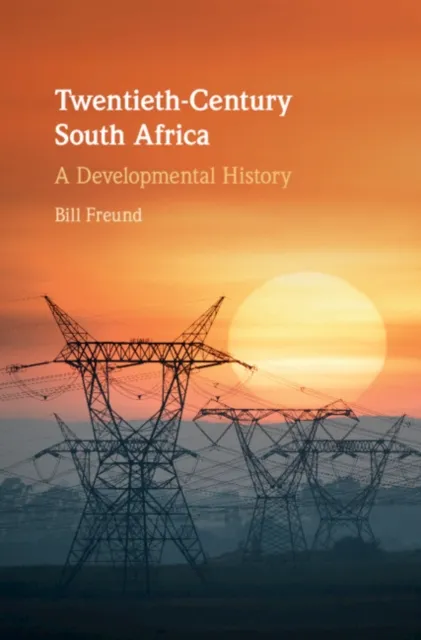
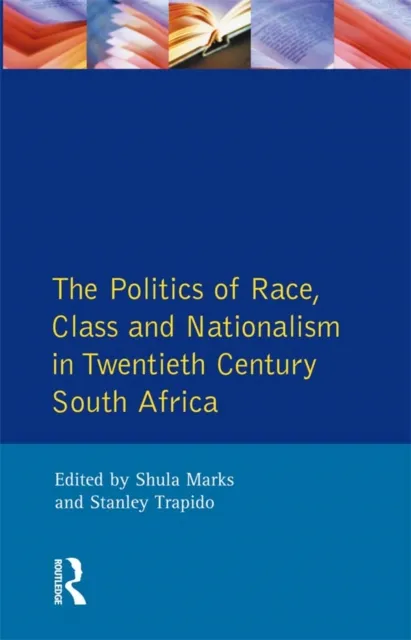
Twentieth-Century South Africa

Overview
An innovative examination of the forces - both destructive and dynamic - which have shaped twentieth-century South Africa. This book provides a stimulating introduction to the history of South Africa in the twentieth century. It draws on the rich and lively tradition of radical history writing on that country and, to a greater extent than previous accounts, weaves economic and cultural history into the political narrative.
Central Themes
Apartheid and industrialization, especially mining, are central themes, as is the rise of nationalism in the Afrikaner and African communities. But the author also emphasizes the neglected significance of rural experiences and local identities in shaping political consciousness.
Key Figures and Trends
The roles played by such key figures as Smuts, Verwoerd, de Klerk, Plaatje, and Mandela are explored, while recent historiographical trends are reflected in analyses of rural protest, white cultural politics, the vitality of black urban life, and environmental decay.
Historical Analysis and Conclusion
The book assesses the analysis of black reactions to apartheid, the rise of the ANC. The concluding chapter brings this seminal history up-to-date, tackling the issues and events from 1994-1999 — in particular the success of Mandela and the ANC in seeing through the end of apartheid rule. It also looks at the chances of a stable future for the newfound democracy in South Africa.