£129.99
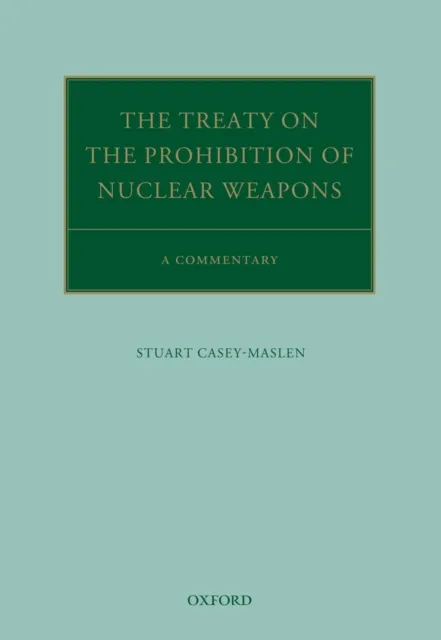
Treaty on the Prohibition of Nuclear Weapons
A Commentary

Background and Purpose
This Commentary offers detailed background and analysis of the Treaty on the Prohibition of Nuclear Weapons, which was adopted at the UN Headquarters in New York in July 2017. The Treaty comprehensively prohibits the use, development, export, and possession of nuclear weapons.
Author and Approach
Stuart Casey-Maslen, a leading expert in the field who served as legal adviser to the Austrian Delegation during the negotiations of this Treaty, works through article by article, describing how each provision was negotiated and what it implies for states that join the Treaty.
Scope and Legal Context
As the Treaty provisions cut across various branches of international law, the Commentary goes beyond a discussion of disarmament to consider the law of armed conflict, human rights, and the law on inter-state use of force. The Commentary examines the relationship with other treaties addressing nuclear weapons, in particular the Treaty on the Non-Proliferation of Nuclear Weapons (NPT).
Background and Key Issues
Background on the development and possession of nuclear weapons and theories of nuclear deterrence is provided. Particular attention is paid to controversial issues such as assistance for prohibited activities, the meaning of ''threaten to use'', and the definition of nuclear explosive devices. Casey-Maslen also considers whether a member of NATO or other nuclear alliance can lawfully become a state party to the Treaty.