£115.00
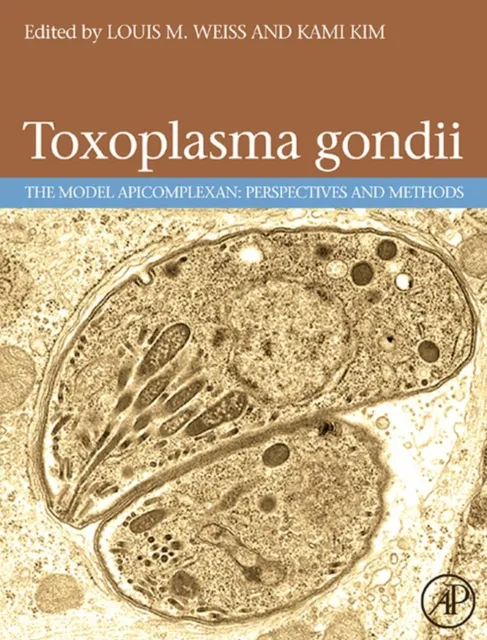
Toxoplasma Gondii
The Model Apicomplexan. Perspectives and Methods

Toxoplasmosis and Toxoplasma gondii
Toxoplasmosis is caused by a one-celled protozoan parasite known as Toxoplasma gondii. In the United States, it is estimated that approximately 30% of cats, the primary carriers, have been infected by T. gondii. Most humans contract toxoplasmosis by eating cyst-contaminated raw or undercooked meat, vegetables, or milk products or when they come into contact with the T. gondii eggs from cat feces while cleaning a cat's litterbox, gardening, or playing in a sandbox. Approximately 1 in 4 (more than 60 million) people in the USA are infected with the parasite, and in the UK between 0.5 and 1% of individuals become infected each year. By the age of 50, 40% of people test positive for the parasite.
Impact and Risks
The predilection of this parasite is for the central nervous system (CNS), causing behavioral and personality alterations as well as fatal necrotizing encephalitis, and is especially dangerous for HIV-infected patients. Though there have been tremendous strides in our understanding of the biology of Toxoplasma gondii in the last decade, there has been no systemic review of all of the information that has accumulated.
Research and Resources
Toxoplasma gondii provides the first comprehensive summary of literature on this organism by leading experts in the field who were responsible for organizing the 7th International Congress on Toxoplasmosis in May 2003. It offers systematic reviews of the biology of this pathogen as well as descriptions of the methods and resources used. Within the next year, the T. gondii genome will be completed, making this an indispensable research resource for biologists, physicians, parasitologists, and all those contemplating experiments using T. gondii.
It serves as a model for understanding invasion of host cells by parasites, immune response, motility, differentiation, phylogenetics, evolution, and organelle acquisition. It discusses protocols related to genetic manipulation, cell biology, and animal models while also providing reference material on available resources for working with this organism.