£52.99
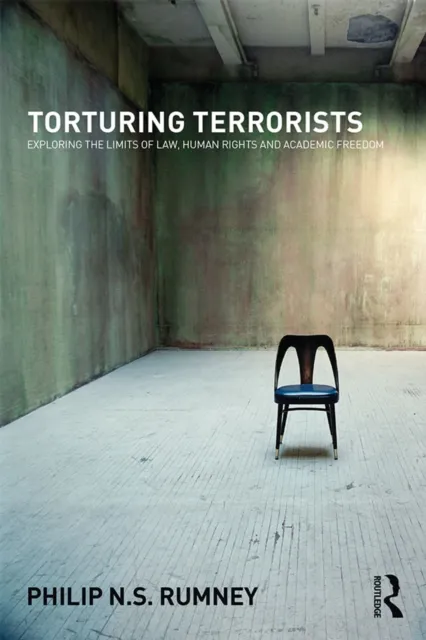
Torturing Terrorists
Exploring the limits of law, human rights and academic freedom

Overview
This book considers the theoretical, policy and empirical arguments relevant to the debate concerning the legalisation of interrogational torture. Torturing Terrorists examines, as part of a consequentialist analysis, the nature and impact of torture and the implications of its legal regulation on individuals, institutions and wider society. In making an argument against the use of torture, the book engages in a wide ranging interdisciplinary analysis of the arguments and claims that are put forward by the proponents and opponents of legalised torture.
Analysis of the Ticking Bomb Hypothetical
This book examines the ticking bomb hypothetical and explains how the component parts of the hypothetical are expansively interpreted in theory and practice. It also considers the effectiveness of torture in producing ‘ticking bomb’ and ‘infrastructure’ intelligence and examines the use of interrogational torture and coercion by state officials in Northern Ireland, Algeria, Israel, and as part of the CIA’s ‘High Value Detainee’ interrogation programme. As part of an empirical slippery slope argument, this book examines the difficulties in drafting the text of a torture statute; the difficulties of controlling the use of interrogational torture and problems such a law could create for state officials and wider society. Finally, it critically evaluates suggestions that debating the legalisation of torture is dangerous and should be avoided.
Intended Audience
The book will be of interest to students and academics of criminology, law, sociology and philosophy, as well as the general reader.