£180.00
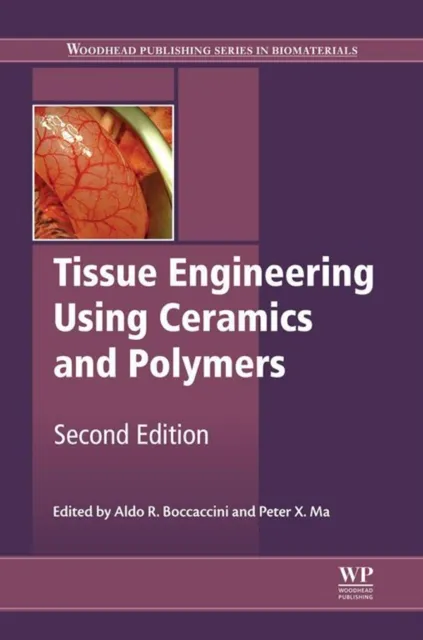
Tissue Engineering Using Ceramics and Polymers

Introduction
The second edition of Tissue Engineering Using Ceramics and Polymers comprehensively reviews the latest advances in this rapidly evolving area of biomaterials science.
Part One: Biomaterials for Tissue Engineering
It introduces the properties and processing of bioactive ceramics and glasses, as well as polymeric biomaterials, particularly biodegradable polymer phase nanocomposites.
Part Two: Techniques for Processing, Characterization, and Modeling
The topics covered range from nanoscale design in biomineralization strategies for bone tissue engineering to microscopy techniques for characterizing cells and materials for perfusion bioreactors. Further, carrier systems and biosensors in biomedical applications are considered.
Part Three: Tissue and Organ Regeneration
Finally, this section looks at specific types of tissue and organ regeneration, with chapters concerning kidney, bladder, peripheral nerve, small intestine, skeletal muscle, cartilage, liver, and myocardial tissue engineering. Important developments in collagen-based tubular constructs, bioceramic nanoparticles, and multifunctional scaffolds for tissue engineering and drug delivery are also explained.
Conclusion
Tissue Engineering Using Ceramics and Polymers is a valuable reference tool for both academic researchers and scientists involved in biomaterials or tissue engineering, including the areas of bone and soft-tissue reconstruction and repair, and organ regeneration.
- Second edition comprehensively examines the latest advances in ceramic and polymers in tissue engineering
- Provides readers with general information on polymers and ceramics and looks at the processing, characterization, and modeling
- Reviews the latest research and advances in tissue and organ regeneration using ceramics and polymers