£9.59
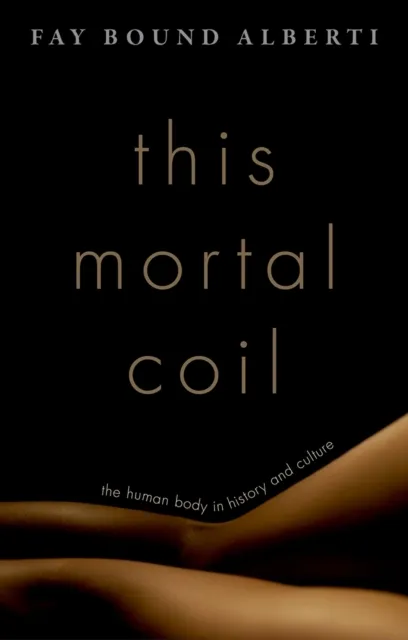
This Mortal Coil
The Human Body in History and Culture

Introduction
To many people the idea that the body has its own history might sound faintly ridiculous. The body and its experiences are usually seen as something that we share with people from the past. Like human nature, it represents the unchanging in a changing world. Bodies just are...But the body does have a history.
Historical Perspectives
The way that it moves, feels, breathes, and engages with the world has been viewed very differently across times and cultures. For centuries, we were believed to be composed of souls that were part of the body and inseparable from it. Now we exist in our heads, and our bodies have become the vessels for that uncertain and elusive thing we call our true selves.
Changing Views of the Body
The way we understand the material structure of the body has also changed radically over the centuries. From the bones to the skin, from the senses to the organs of sexual reproduction, every part of the body has an ever-changing history, dependent on time, culture, and place.
About the Book
This Mortal Coil is an exploration of that history. Peeling away our assumptions about the unchanging nature of the human body, Fay Bound Alberti takes it apart in order to put it back anew, telling the cultural history of our key organs and systems from the inside out, from blood to guts, brains to sex organs.
The understanding of the modern body she reveals in the process is far removed from the eternal or timeless object of common assumption. In fact, she argues, its roots go back no further than the sixteenth century at the earliest - and it has only truly existed in its current form since the nineteenth century.