£44.99
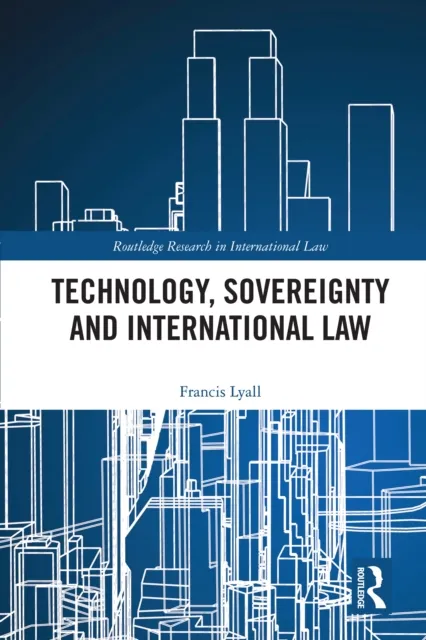
Technology, Sovereignty and International Law

Introduction
The dogma of the sovereignty of the state, deriving from the Peace of Westphalia, underpins much of the modern-day international system. However, developments in recent technology have led this ideology to depart from reality. Viewing state sovereignty through the prism of public international law, the book will begin with an overview of the settlement of Westphalia, how it has influenced international documents ever since, and how the advantages of centralised decisions came to be perceived.
Legal Areas and Technological Impact
By surveying the Law of the Sea, Maritime Law, Air and Aviation, Telecommunications, Postal Services, Space Law and Mensuration, the book demonstrates how, in each, the interplay between state sovereignty and developing technologies have caused significant legal change. Some changes, Lyall argues, such as international measures of time and geography, have been born out of convenience, facilitated by technology developed for the purpose. Other areas of change developed out of a desire to reconcile conflicts or harmonise necessary state regulation.
Analysis and Future Outlook
The book analyses the reasons behind these changes and discusses the ongoing attempts to balance state equality, measures adopted by new institutions to secure comprehensive representation. It ends by looking to the future of state sovereignty in an increasingly globalised world.
Intended Audience
The book is of use to any student or scholar interested in policy making, international law and international affairs, both legal and scientific, as well as those looking at legal administrative issues and government officiation.