£50.00
Teaching in Online, Distance, and Non-Traditional Contexts

Introduction
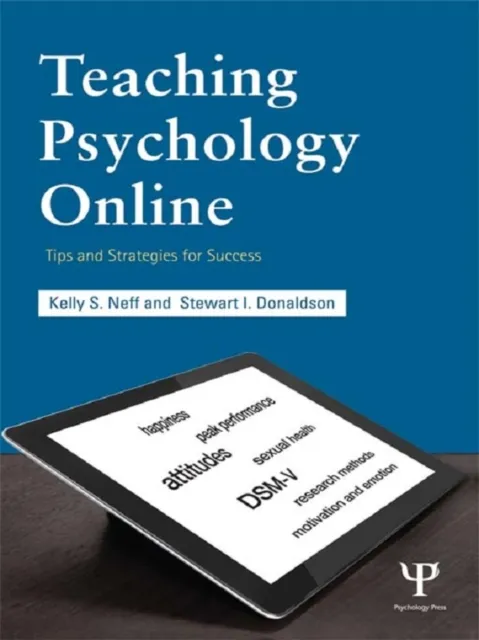
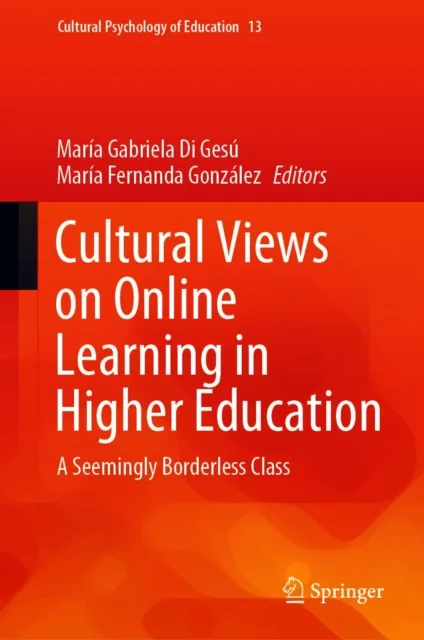
The field of educational psychology is experiencing profound transformations, driven by the rapid integration of technology into teaching and learning. Our latest volume, Teaching in Online, Distance, and Non-Traditional Contexts, explores this evolving landscape, emphasizing the rise of online, hybrid, and blended learning. With enrollment in online courses steadily increasing, especially since the COVID-19 pandemic, this book addresses the urgent need for effective online course design, informed by two decades of research on best practices.
This volume is an essential resource for university faculty who teach educational psychology but could also be of interest to anyone who teaches online in higher education, particularly those in teacher preparation programs, providing comprehensive guidance on adapting to and excelling in digital learning environments.
Building on the foundational principles of educational psychology, this book offers a deep dive into the specific challenges and opportunities presented by online education. Organized into five sections—Course Design, Instructor Development, Student Engagement, Cultural Responsiveness and Inclusion, and Assessment—it presents case studies and research-backed strategies to help educators create engaging, effective, and inclusive online courses.
By emphasizing the importance of thoughtful planning, technological integration, and cultural inclusivity, this book equips educators with the tools they need to navigate the digital age while maintaining a student-centered and constructivist approach. Join us in redefining educational psychology for the 21st century and beyond.