£3.99
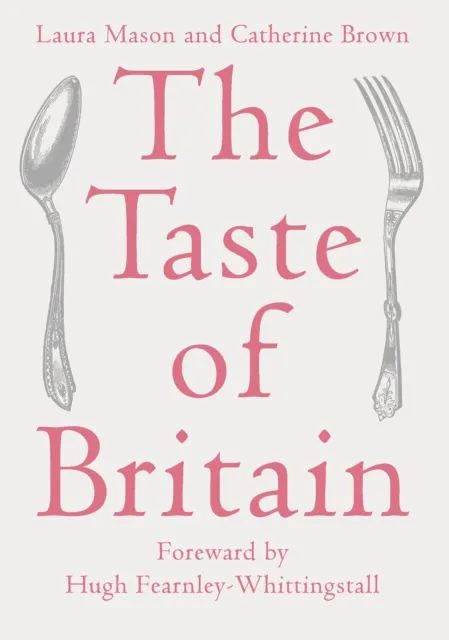
Taste of Britain

Introduction
For too long Britain has failed to celebrate its culinary heritage. But from the introduction of borage to the British Isles by the Romans to the nation's love-hate relationship with Marmite, Britain has always played host to an astonishing range of gustatory traditions.
About the Book
This delightful compendium of Britain’s traditional regional foods combines fascinating local history about the origins of some of our most distinctive and curious foodstuffs with a celebration of the ways in which the most humble cut of meat can embody culinary traditions stretching back through the ages.
Highlights
Far from the bland and stodgy board usually associated with British cuisine, ‘The Taste of Britain’ reveals a culinary portrait of remarkable wealth and character – from Fat Rascals to Fidget Pie, Cornish pasties to Chelsea buns, and Bedfordshire Clangers to Bath Chaps. Entries have been carefully selected on the grounds that they have been produced in one place for more than three generations, and many for much longer: more than merely a history of food, this is a tribute to a Britain that predates the supermarket era and evokes traditions that date back hundreds of years.
Historical References
Sussex cattle, for example, are mentioned in the Doomsday Book of 1086, while Shakespeare described an early forerunner of the Cockney favourite, jellied eels, in ‘King Lear’.
Audience
In range, warmth and enthusiasm, ‘The Taste of Britain’ is a book for absolutely everyone from the 'foodie' connoisseur interested in the origins of the Careless Gooseberry to the culinary neophyte for whom each entry provides a delightful potted history of taste, industry and tradition.