£26.09
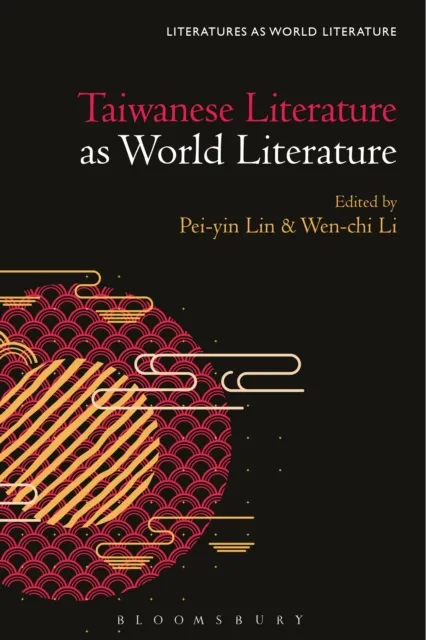
Taiwanese Literature as World Literature

Owing to Taiwan's multi-ethnic nature and palimpsestic colonial past, Taiwanese literature is naturally multilingual.
Although it can be analyzed through frameworks of Japanophone literature and Chinese literature, and the more provocative Sinophone literature, only through viewing Taiwanese literature as world literature can we redress the limits of national identity and fully examine writers' transculturation practice, globally minded vision, and the politics of its circulation.
Throughout the colonial era, Taiwanese writers gained inspiration from global literary trends mainly but not exclusively through the medium of Japanese and Chinese. Modernism was the mainstream literary style in 1960s Taiwan, and since the 1980s Taiwanese literature has demonstrated a unique trajectory shaped jointly by postmodernism and postcolonialism. These movements exhibit Taiwanese writers' creative adaptations of world literary thought as a response to their local and trans-national reality. During the postwar years Taiwanese literature began to be more systematically introduced to world readers through translation. Over the past few decades, Taiwanese authors and their translated works have participated in global conversations, such as those on climate change, the "post-truth" era, and ethnic and gender equality.
Bringing together scholars and translators from Europe, North America, and East Asia, the volume focuses on three interrelated themes – the framing and worlding ploys of Taiwanese literature, Taiwanese writers' experience of transculturation, and politics behind translating Taiwanese literature. The volume stimulates new ways of conceptualizing Taiwanese literature, demonstrates remarkable cases of Taiwanese authors' co-option of world trends in their Taiwan-concerned writing, and explores its readership and dissemination.