£134.00
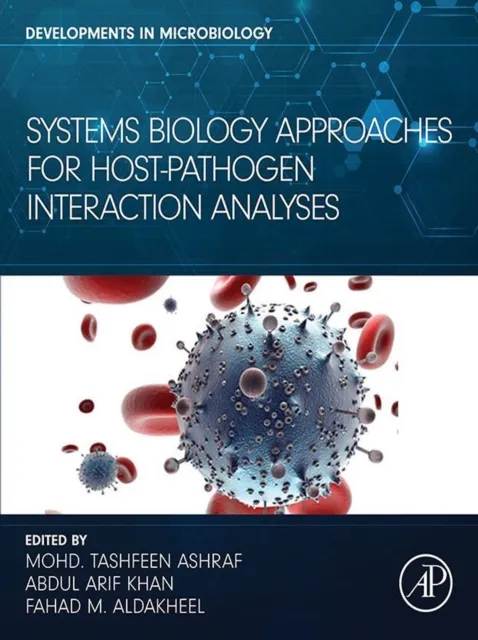
Systems Biology Approaches for Host-Pathogen Interaction Analysis

System Biology Approaches for Microbial Pathogenesis Interaction Analysis
Aids biological researchers to expand their research scope using piled up data generated through recent technological advancement. In addition, it also opens avenues for bioinformatics and computer science researchers to utilize their expertise in biological meaningful ways. It also covers network biology approaches to decipher complex multiple host-pathogen interactions in addition to giving valuable coverage of artificial intelligence.
The host-pathogen interactions are generally considered as highly specific interactions leading to a variety of consequences. The utilization of data science approaches has revolutionized scientific research including host-pathogen interaction analyses. Data science approaches coupled with network biology has taken host-pathogen interaction analysis from specific interaction to a new paradigm of understanding consequences of these interaction in the biological network.
Unfortunately, basic biological researchers are mostly unaware of these advancements. In contrast, data scientists are not familiar with biological aspects of such data. System Biology Approaches for Microbial Pathogenesis Interaction Analysis will bridge these gaps through a new paradigm of understanding consequences of interaction in biological networks.
Key Features
- Cover approaches to decipher complex multiple host–pathogen interactions
- Gives biological researcher an insight into the utilization of technological advancements in the field of host–pathogen interaction analyses in their work
- Provides a new paradigm of understanding the consequences of host–pathogen interaction in biological systems