£3.99
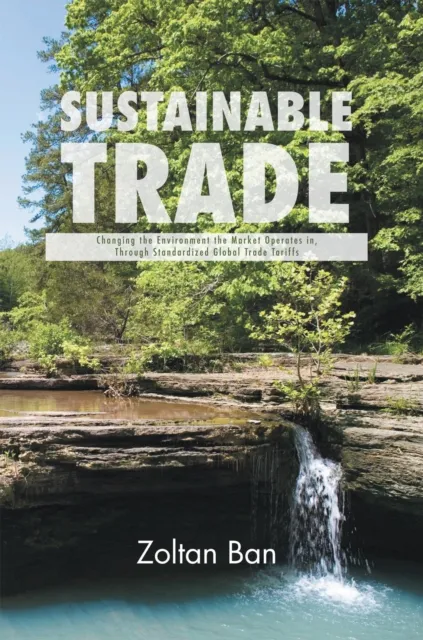
Sustainable Trade
Changing the Environment the Market Operates In, Through Standardized Global Trade Tariffs

Introduction to Sustainable Trade
The central subject of Sustainable Trade is the benefit to the global economy's long-term health, derived from the proposed standardization of global trade tariffs.
Lessons from Globalization
What we learned from the past two decades of globalization is that global efforts to tackle global problems, such as environmental degradation and resource depletion, have fallen flat on their face. The Kyoto agreement, based on voluntary goodwill to make an effort to prevent climate change, has been a disaster. The free markets' allocation of scarce natural resources did not prevent us from increasing our global energy thirst by 40% over two decades. The commodity price spikes we witnessed as a result in the past few years are just a preview of what awaits us.
Current Challenges
To make matters worse, it is increasingly obvious that the owners of capital are now firmly in the driving seat when it comes to negotiating investment terms. The things they seem to put a premium on lately when it comes to allocating capital are a lack of environmental and human rights protection and exemptions from taxation as a precondition.
The Proposed Solution
Given the failures we witnessed so far in trying to tackle global-scale problems, which will be more frequent as we increasingly become a global village, the only logical alternative to current status quo initiatives is the sustainability trade tariff. This tariff is designed to encourage environmental and human rights protections as well as promoting efficiency evenly around the world.
Conclusion
It is a big and even painful change that we have to make, but it may now be the only alternative to eventual collapse.