£95.00
Sustainable Protein Sources

Protein and Its Role in Human Nutrition
Protein plays a critical role in human nutrition. Although animal-derived proteins constitute the majority of the protein we consume, plant-derived proteins can satisfy the same requirement with less environmental impact.
About Sustainable Protein Sources
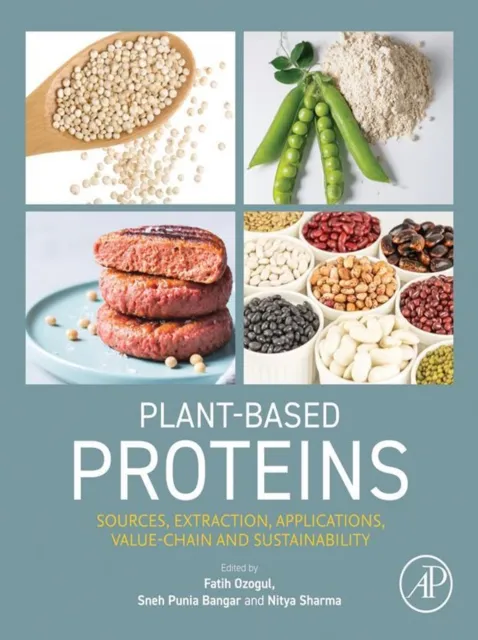
Sustainable Protein Sources allows readers to understand how alternative proteins such as plant, fungal, algal, and insect protein can take the place of more costly and less efficient animal-based sources.
Benefits of Plant and Alternative Proteins
Sustainable Protein Sources presents the various benefits of plant and alternative protein consumption, including those that benefit the environment, population, and consumer trends.
Coverage of Protein Sources
The book presents chapter-by-chapter coverage of protein from various sources, including cereals and legumes, oilseeds, pseudocereals, fungi, algae, and insects. It assesses the nutrition, uses, functions, benefits, and challenges of each of these proteins.
Exploration of Opportunities and Challenges
The book also explores opportunities to improve utilization and addresses everything from ways in which to increase consumer acceptability, to methods of improving the taste of products containing these proteins, to the ways in which policies can affect the use of plant-derived proteins.
Food Security and Political Issues
In addition, the book delves into food security and political issues which affect the type of crops that are cultivated and the sources of food proteins.
Concluding Perspectives
The book concludes with required consumer choices such as dietary changes and future research ideas that necessitate vigorous debate for a sustainable planet.
Key Topics Covered
- Introduces the need to shift current animal-derived protein sources to those that are more plant-based
- Presents a valuable compendium on plant and alternate protein sources covering land, water, and energy uses for each type of protein source
- Discusses nutritive values of each protein source and compares each alternate protein to more complete proteins
- Provides an overview of production, including processing, protein isolation, use cases, and functionality
- Presents solutions to challenges, along with taste modulation
- Focuses on non-animal derived proteins
- Identifies paths and choices that require consumer and policymaker debate and action