£47.99
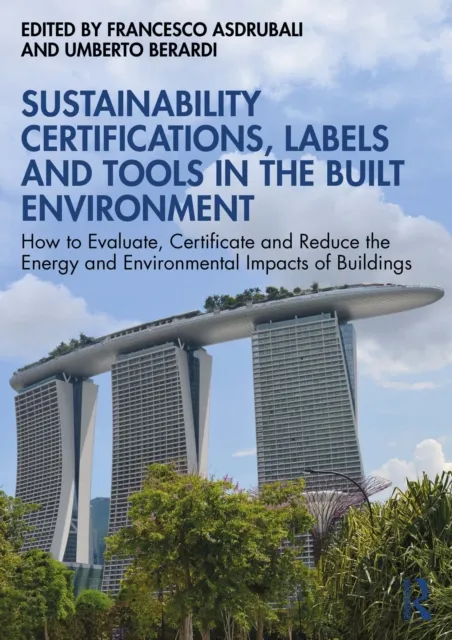
Sustainability Certifications, Labels and Tools in the Built Environment
How to Evaluate, Certificate and Reduce the Energy and Environmental Impacts of Buildings

This book is aimed at covering all aspects of the evaluation, certification, and reduction of the energy and carbon footprint of the built environment from the scale of the city and its neighbourhoods, to the building level and finally to the level of single building materials and components. Many protocols, tools, and labels have been proposed in recent years, both at international and local levels, and the aim of the book is to classify, describe, and discuss all the different approaches and options.
The chapters offer a comprehensive, up-to-date, and critical review of all the different certification methods that have been proposed at different levels in the building sector. The first chapter introduces the topic and its importance, providing data on the impact of the building sector and the construction industry. The following chapters are dedicated respectively to tools and protocols for cities and neighbourhood sustainability assessment, tools and protocols for buildings sustainability assessment and certification, and for building materials and components. Finally, this book includes an overview of the legislation and standards in the field and case studies to exemplify the application of the different tools and labels.
This is a key reference for decision-makers, researchers, scholars, students, and professionals approaching research and work in the field of energy and environmental impact of the building sector be they engineers, architects, planners, owners, developers, or facility managers.